Pompeii And Herculaneum Tour From Naples Logo
English| EUR
Suggested for you
More currencies
Book Now
Open today · 09:00 – 19:00

Pompeii and Herculaneum Tour From Naples

Pompeii and Herculaneum — Dual-Site Archaeological Tours

Two cities frozen in time, one unforgettable journey through the Bay of Naples

4.9 /5 · 2,400 reviews
26K+ travelers chose this
Free Cancellation
Right now: Moderate — early autumn shoulder season Gates close at 19:00 with last entry at 17:30, arrive before mid-morning to beat tour groups
8-9 hours typical
1 Languages
Small groups, max 20
Free Cancellation
Free cancellation Instant confirmation Mobile voucher Skip-the-line Verified partner
Choose your ticket

Pompeii and Herculaneum Tour From Naples tickets at a glance

Compare fares, pick the fit — all bookings are mobile-voucher and eligible for free cancellation where shown.

Pompeii & Herculaneum Archaeologist-Led Tour from Naples 7 hr
Guided Experience

Pompeii & Herculaneum Archaeologist-Led Tour from Naples

4.6 (594)
€84
  • Expert local guide
  • Small group
  • Skip-the-line access
  • Free cancellation
Book this ticket
Pompeii, Herculaneum & Mount Vesuvius Day Trip from Naples 7 hr 30 min
Guided Experience

Pompeii, Herculaneum & Mount Vesuvius Day Trip from Naples

4.1 (1084)
€125
  • Expert local guide
  • Small group
  • Skip-the-line access
  • Free cancellation
Book this ticket
Compare options

Compare Pompeii and Herculaneum Tour From Naples ticket options

Experience DurationRatingSkip-the-lineGuideSmall groupFree cancel. Price
Guided Experience
Most popular
Pompeii & Herculaneum Archaeological Tour
7 hr★ 4.8✓✓✓✓ €129 Book →
Guided Experience
Pompeii & Herculaneum Archaeologist-Led Tour from Naples
7 hr★ 4.6✓✓✓✓ €84 Book →
Guided Experience
Pompeii, Herculaneum & Mount Vesuvius Day Trip from Naples
7 hr 30 min★ 4.1✓✓✓✓ €125 Book →

Is a Pompeii and Herculaneum Tour from Naples Worth It?

Worth it if you visit both sites

A pompeii and herculaneum tour from naples delivers exceptional value when you tackle both archaeological sites in one day trip. The 18 EUR Pompeii entry alone buys access to 66 hectares of preserved Roman streets, villas with intact frescoes, and the haunting plaster casts of Vesuvius victims. Herculaneum adds another dimension—better-preserved wooden structures, mosaics, and multi-story buildings that Pompeii lacks. Round-trip Circumvesuviana train fare runs roughly 5 EUR, making the total outlay under 40 EUR for two UNESCO World Heritage sites. The verdict shifts based on your approach: seeing both ancient cities justifies the early start and travel time, but a pompeii and herculaneum tour from naples tickets purchase for just one site feels incomplete given how close they sit. Budget six hours minimum to avoid rushing through volcanic ash-frozen history. For context seekers rather than casual sightseers, the twin-site combination remains one of southern Italy's best heritage investments.

What makes it worth it

  • Two UNESCO sites for under 40 EUR total
  • Herculaneum's preservation exceeds most Roman ruins
  • Pompeii's scale offers unmatched urban archaeology
  • Direct train from Naples keeps logistics simple
  • Frescoes and mosaics rival museum collections

Keep in mind

  • Single-site visits feel rushed for the travel effort
  • Midday heat drains energy fast in summer
  • Minimal shade across the Pompeii ruins
  • Herculaneum requires separate ticket purchase

Bottom line: Commit to both sites or the day trip loses its cost-to-experience advantage.

Head to head

Pompeii vs Herculaneum: Which Should Your Naples Day Trip Prioritize?

Most visitors who plan a Pompeii and Herculaneum tour from Naples give Pompeii the bulk of their day and treat Herculaneum as a shorter add-on. Pompeii wins on scale and famous landmarks, while Herculaneum rewards visitors chasing sharper preservation in a fraction of the time.

Top pick
Pompeii
Herculaneum (Ercolano)
Size of site 20 acres (8 hectares)
State of preservation Multi-storey buildings, wood and roofs intact
Crowd levels Lighter, fewer coach groups
Travel time from Naples 20-25 min by Circumvesuviana train
Time needed to see it 1.5-2 hours for main highlights
Best for Visitors short on time wanting intact detail

Verdict: If you only have half a day, Herculaneum's compact site and intact buildings deliver more per hour, but Pompeii remains the fuller Naples landmarks experience for a proper archaeological park tour.

Featured Experiences

Popular Pompeii and Herculaneum Tour From Naples tours & activities

Hand-picked experiences loved by thousands of travelers

Recommended Experience

Powered by GetYourGuide

Another traveler favorite

Powered by GetYourGuide
Pompeii and Herculaneum Day Trip from Naples with Lunch 8 hours Free Cancellation

Pompeii and Herculaneum Day Trip from Naples with Lunch

Discover two ancient Roman cities buried by Vesuvius on this guided full-day archaeological adventure

4.3 (506)
FromFrom €85
See details
Pompeii & Herculaneum Day Trip by High-Speed Train from Rome 11 hours Free Cancellation

Pompeii & Herculaneum Day Trip by High-Speed Train from Rome

Journey by fast train to explore two legendary Roman cities buried by Vesuvius with an expert archaeologist

4.8 (485)
FromFrom €205
See details
Pompeii, Herculaneum & Vesuvius Full-Day Tour from Naples 8 hours Free Cancellation

Pompeii, Herculaneum & Vesuvius Full-Day Tour from Naples

Uncover three legendary sites in one day: explore Roman ruins and hike an active volcano

4.4 (169)
FromFrom €120
See details
Pompeii & Herculaneum VIP Day Trip with Lunch from Naples 8 hours Free Cancellation

Pompeii & Herculaneum VIP Day Trip with Lunch from Naples

Skip the queues at two remarkable archaeological sites and savor an Italian meal between explorations

4.4 (133)
FromFrom €210
See details
Herculaneum, Mount Vesuvius & Pompeii Day Trip 8 hours Free Cancellation

Herculaneum, Mount Vesuvius & Pompeii Day Trip

Explore three UNESCO sites in one day: two ancient cities buried by volcanic eruption and the mountain that destroyed them.

4.1 (211)
FromFrom €125
See details
Herculaneum Archaeological Park with Train & Audio Guide from Naples Flexible timing Free Cancellation

Herculaneum Archaeological Park with Train & Audio Guide from Naples

Visit the remarkably preserved ancient Roman town buried by Vesuvius, with train travel and skip-the-line access

4.1 (286)
FromFrom €30.24
See details
Pompeii & Herculaneum Day Trip from Naples 8 hours Free Cancellation

Pompeii & Herculaneum Day Trip from Naples

Explore two legendary Roman cities buried by Vesuvius in a single day with skip-the-line access

4.4 (28)
FromFrom $124.16
See details
Your journey

Your Pompeii and Herculaneum Tour From Naples day, step by step

1
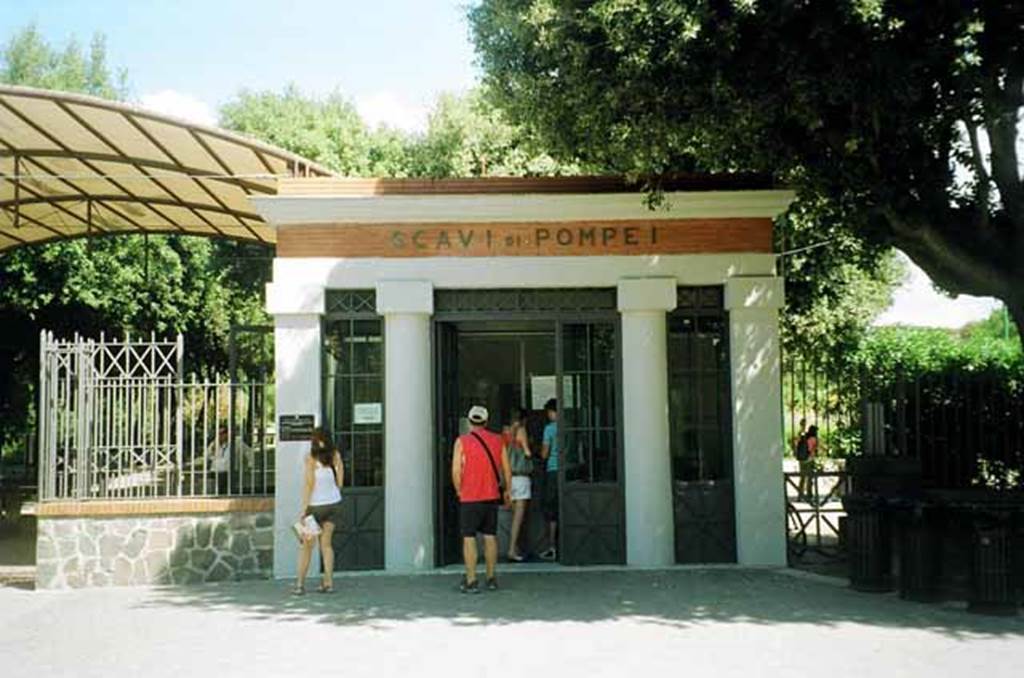
Porta Marina entrance

Porta Marina entrance

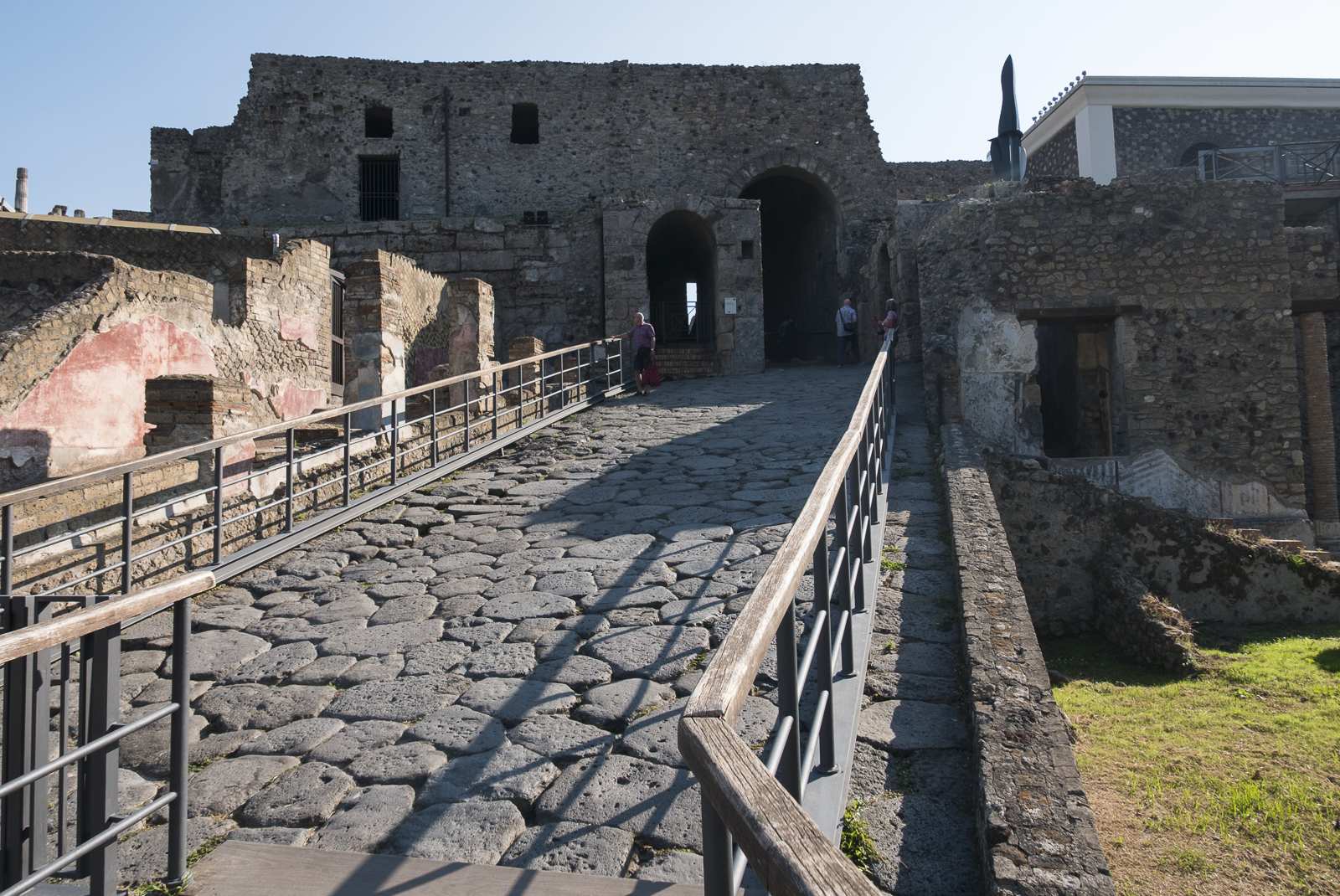
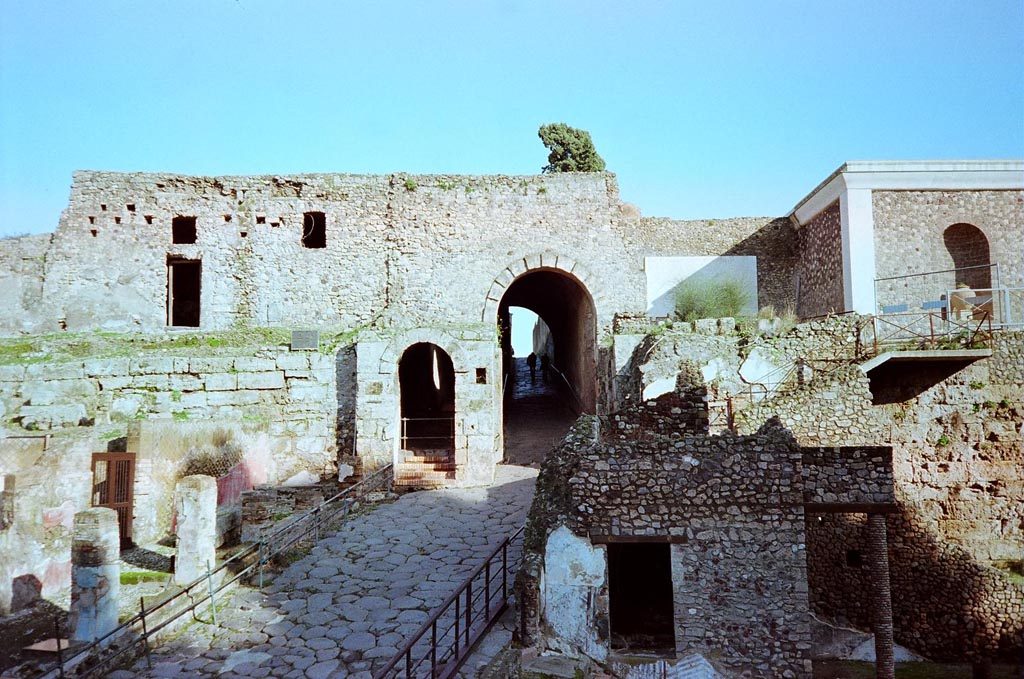
Pass through the main gate and security screening after collecting timed tickets

2
Forum and Basilica

Forum and Basilica

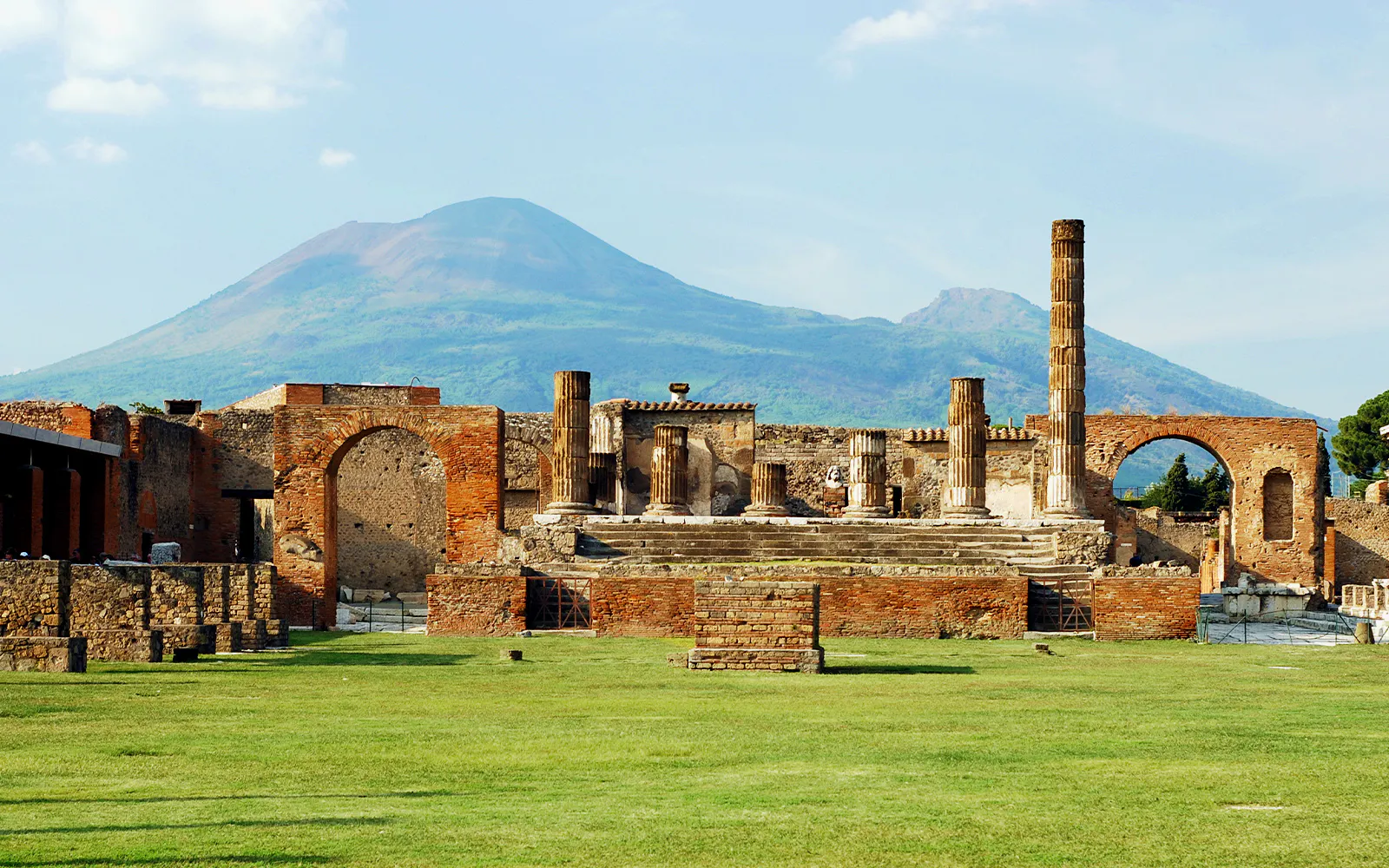
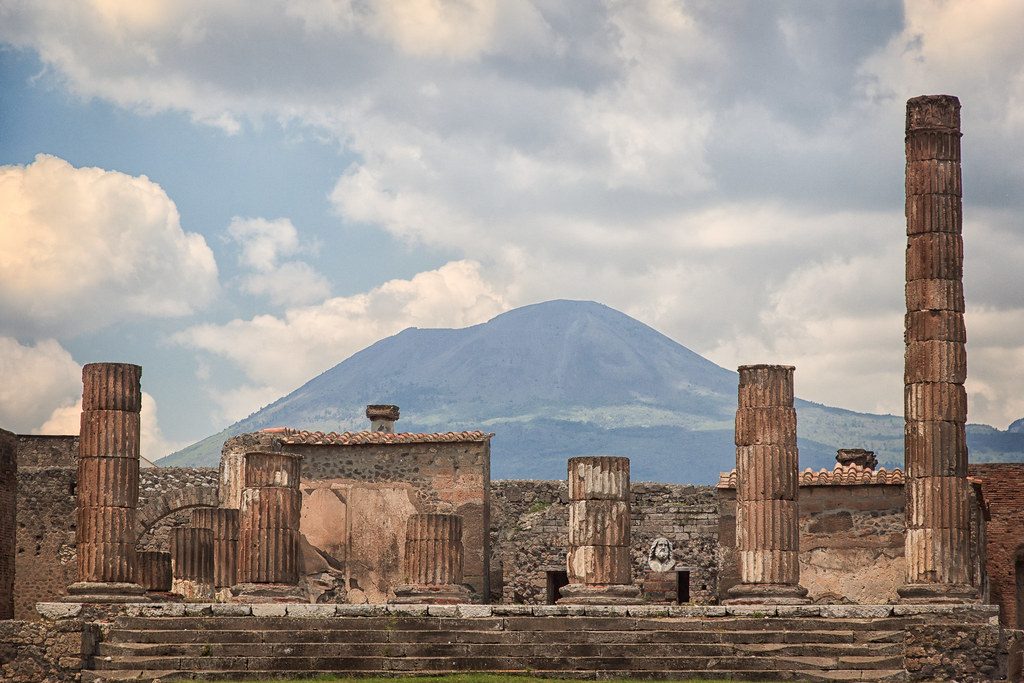
Walk the civic heart of ancient Pompeii, including the Temple of Jupiter

3
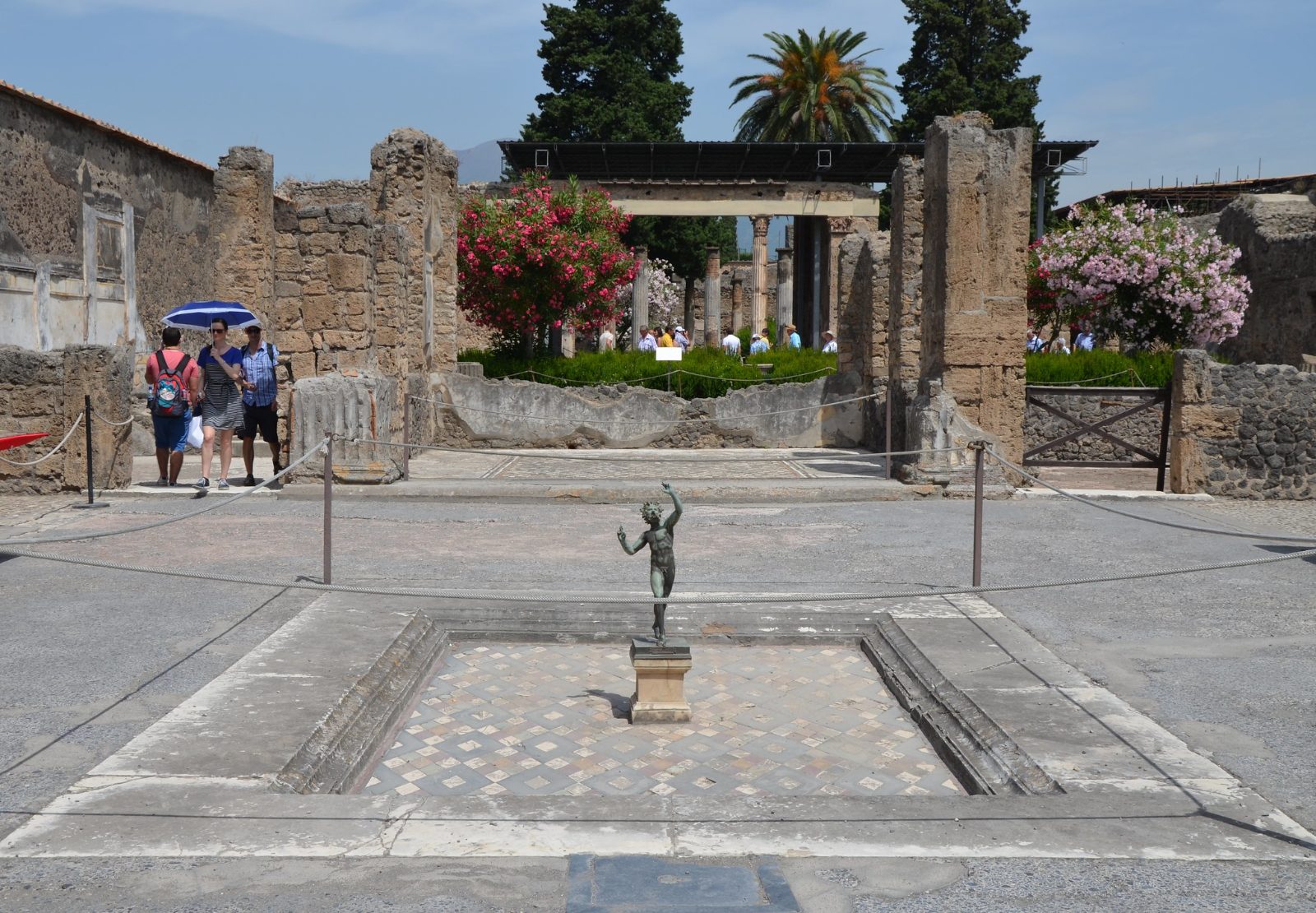
House of the Faun

House of the Faun

View one of the largest and best-preserved patrician villas

4
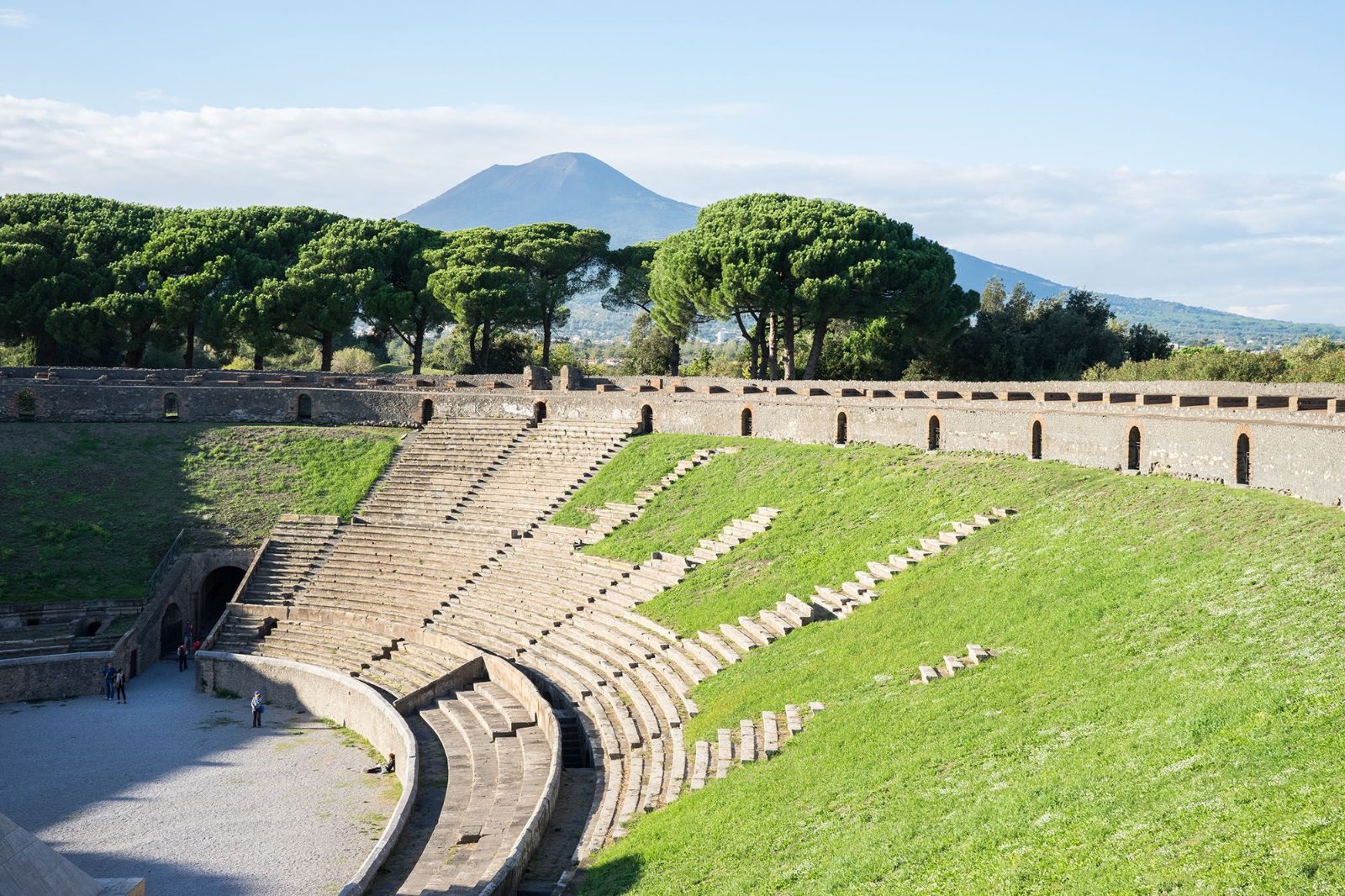
Amphitheatre

Amphitheatre

Visit one of the oldest surviving Roman amphitheatres, built around 70 BC

5
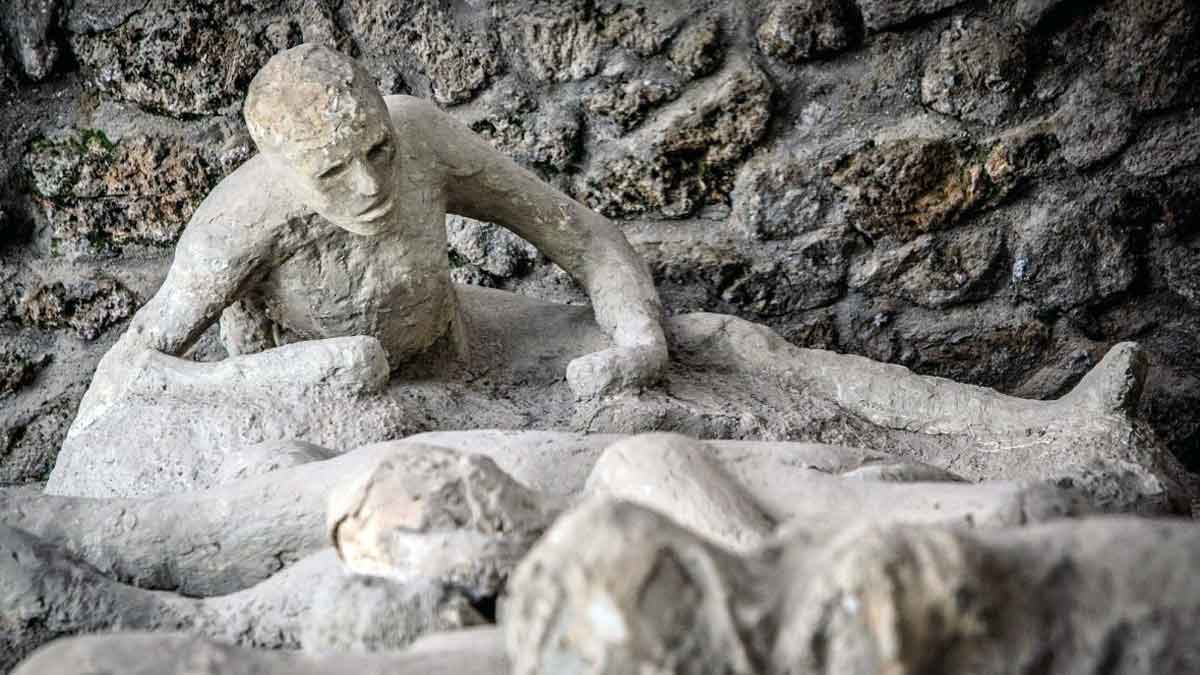
Garden of the Fugitives

Garden of the Fugitives

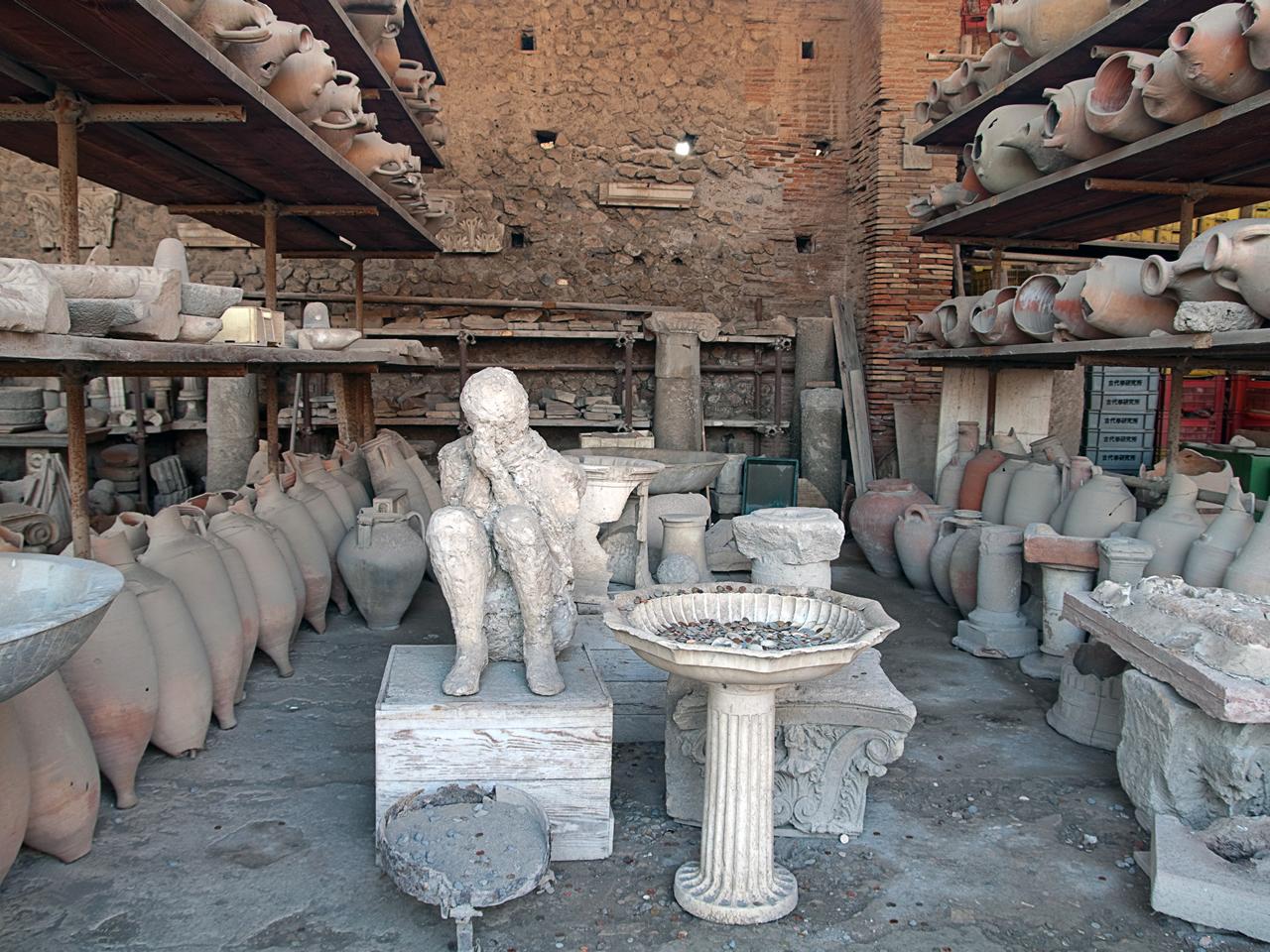
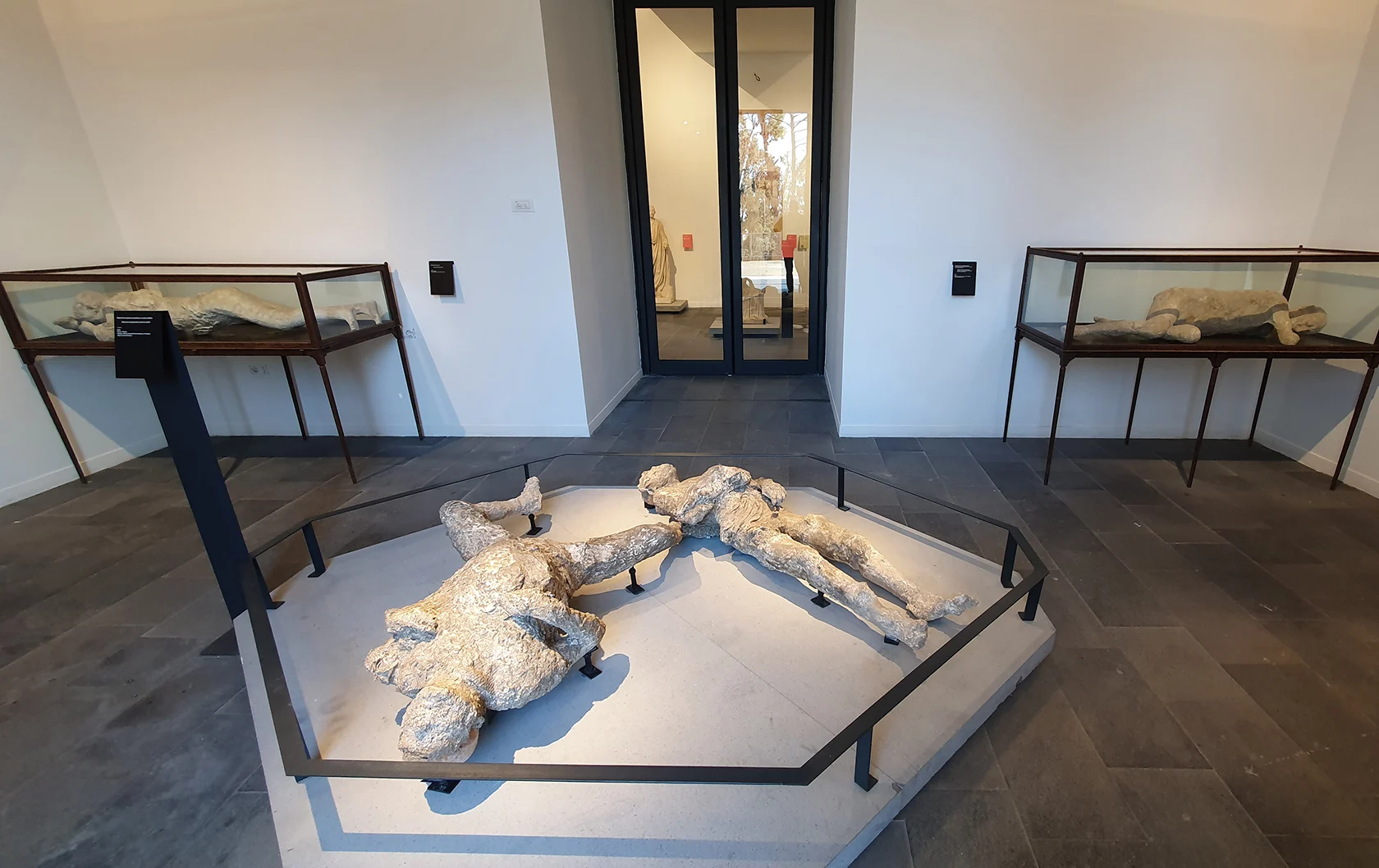
See preserved body casts of victims from the 79 AD eruption

6
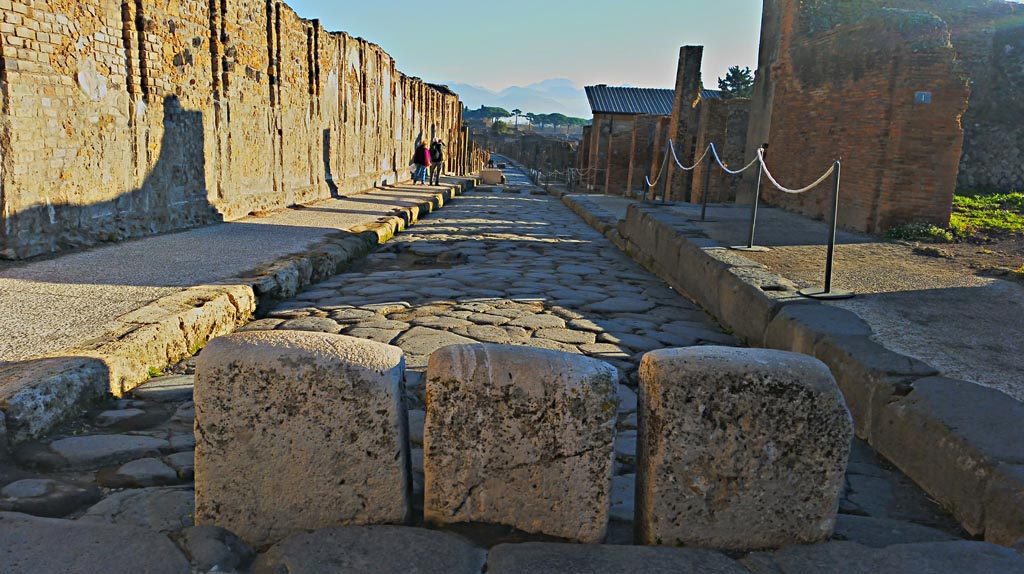
Via dell'Abbondanza

Via dell'Abbondanza

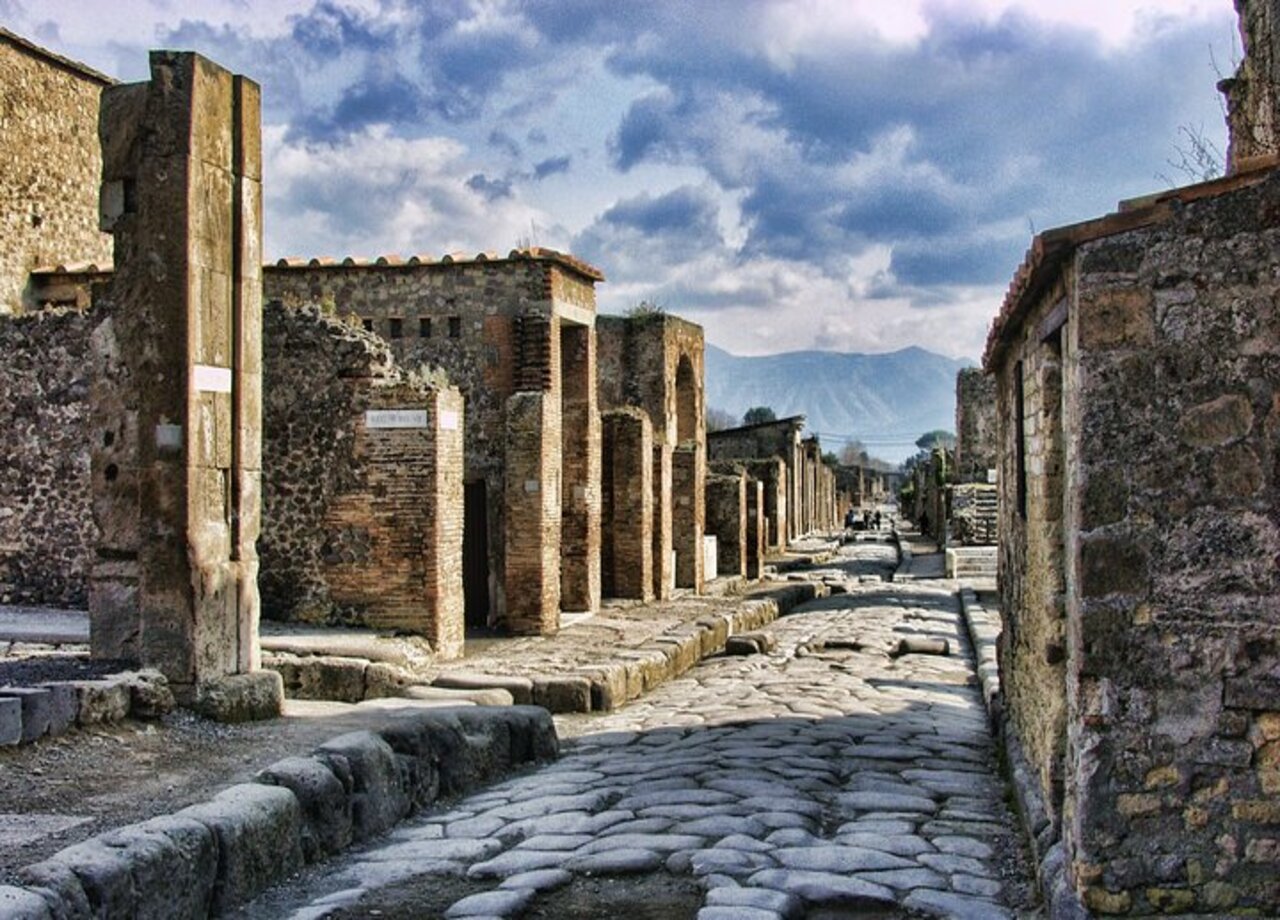
Walk the main commercial street past shops, bakeries, and thermopolia

What you'll see

What you'll see at Pompeii and Herculaneum Tour From Naples

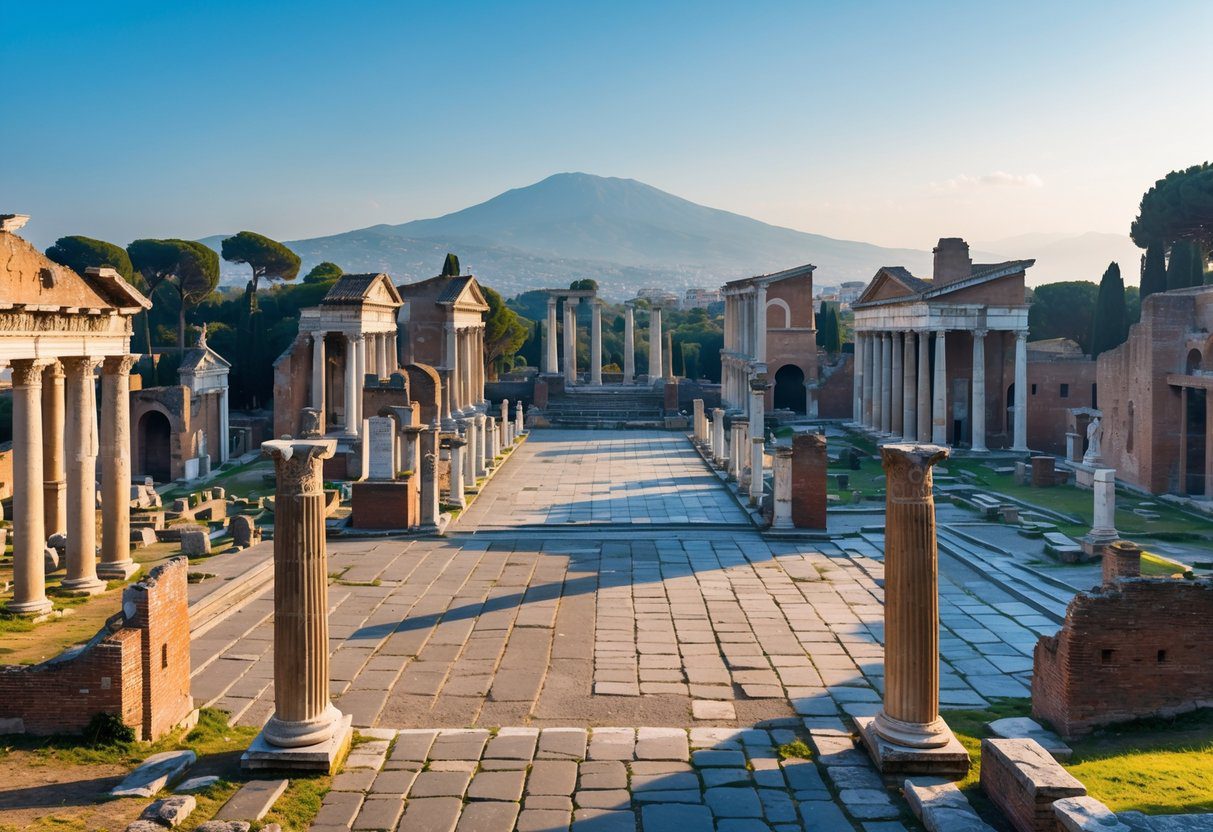
Pompeii Forum

Pompeii Forum

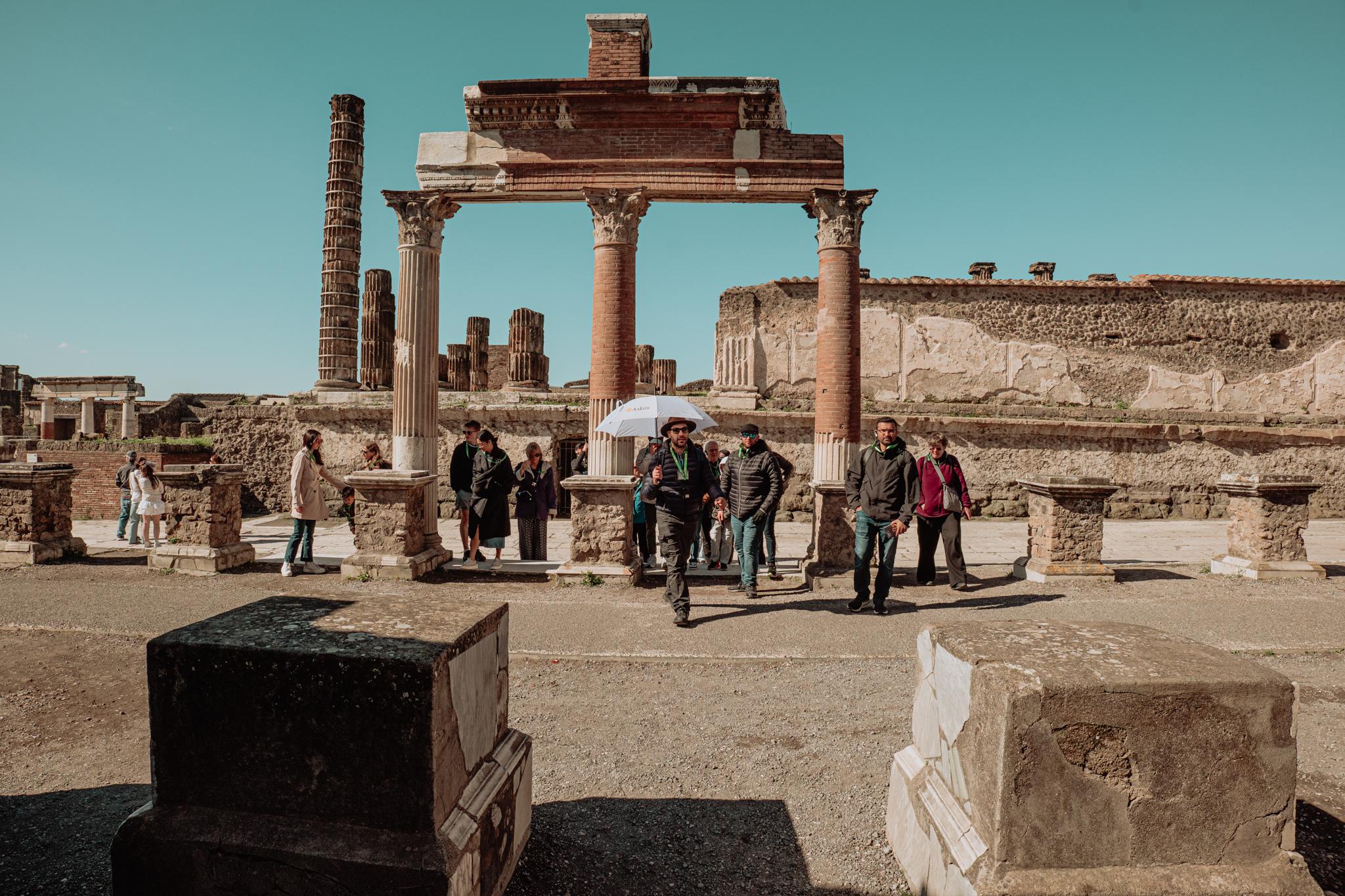
The civic and religious center of ancient Pompeii, flanked by the Temple of Jupiter and the Basilica law court. Excavations here began in the 18th century and revealed one of the best-preserved Roman public spaces in existence.

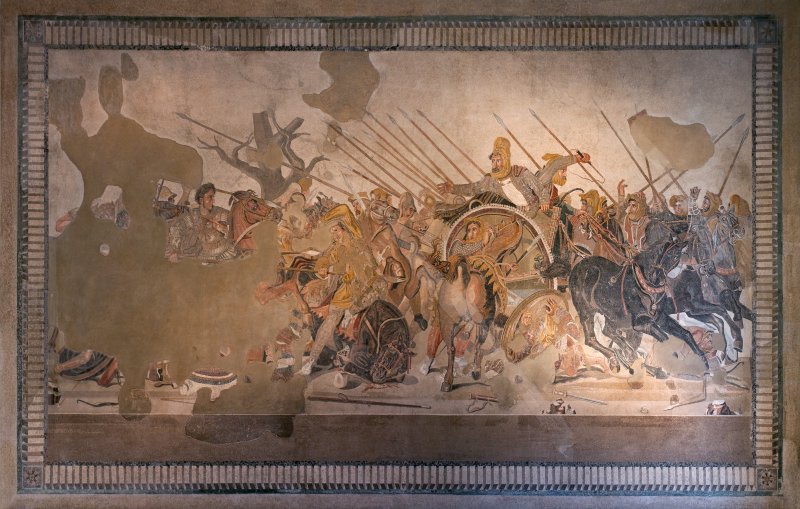
House of the Faun

House of the Faun

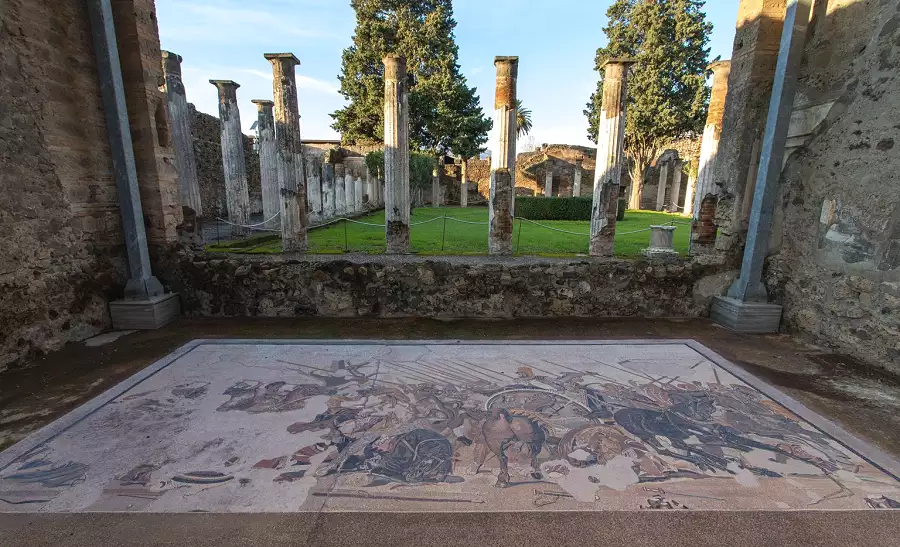
One of the largest private residences in Pompeii, spanning roughly 3,000 square meters and named for a bronze statuette found at its center. Its mosaic floors include the famous Alexander Mosaic, depicting Alexander the Great in battle.

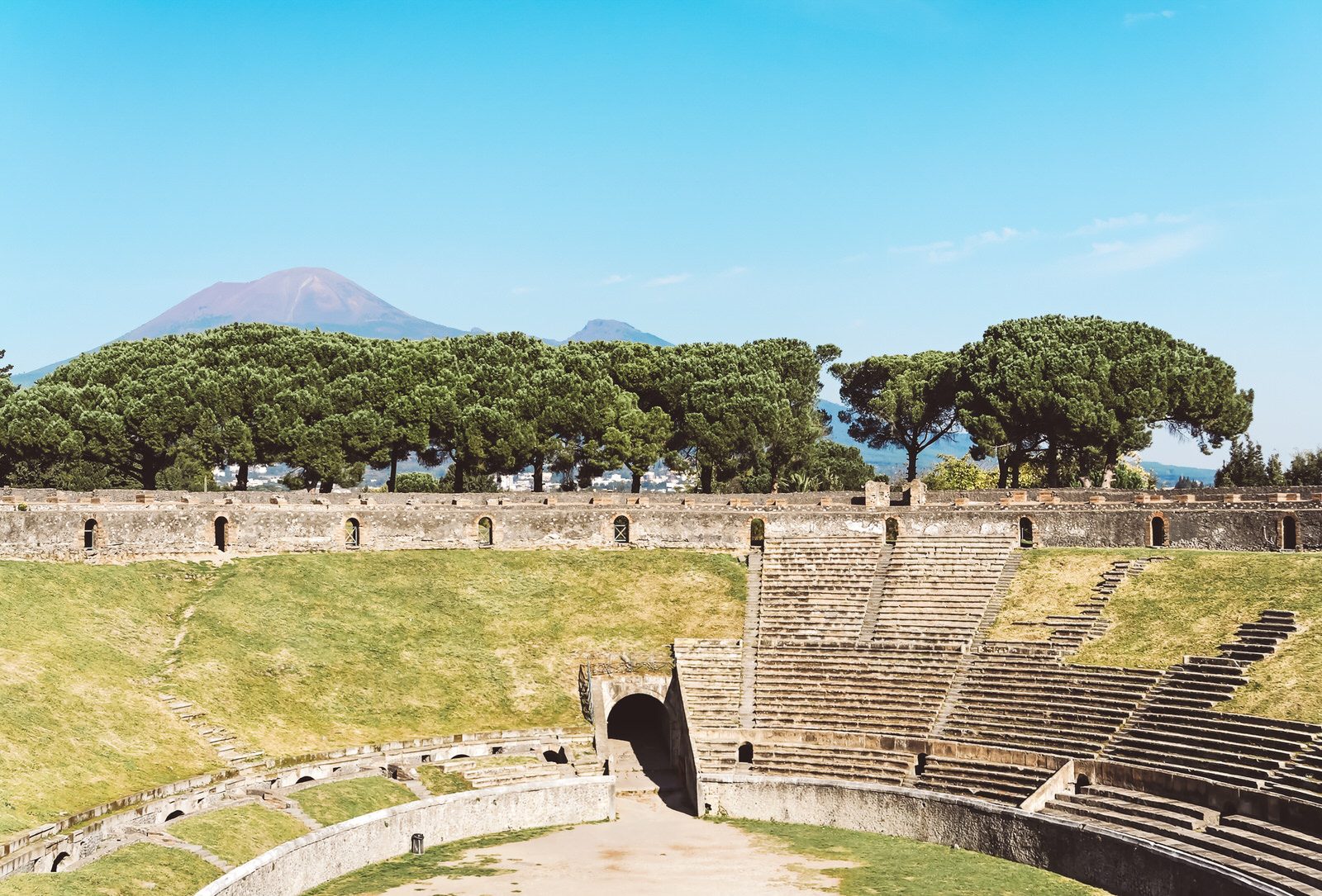
Pompeii Amphitheatre

Pompeii Amphitheatre

Built around 70 BC, this is one of the oldest surviving Roman amphitheatres, predating Rome's Colosseum by more than a century. It once held up to 20,000 spectators for gladiatorial games.

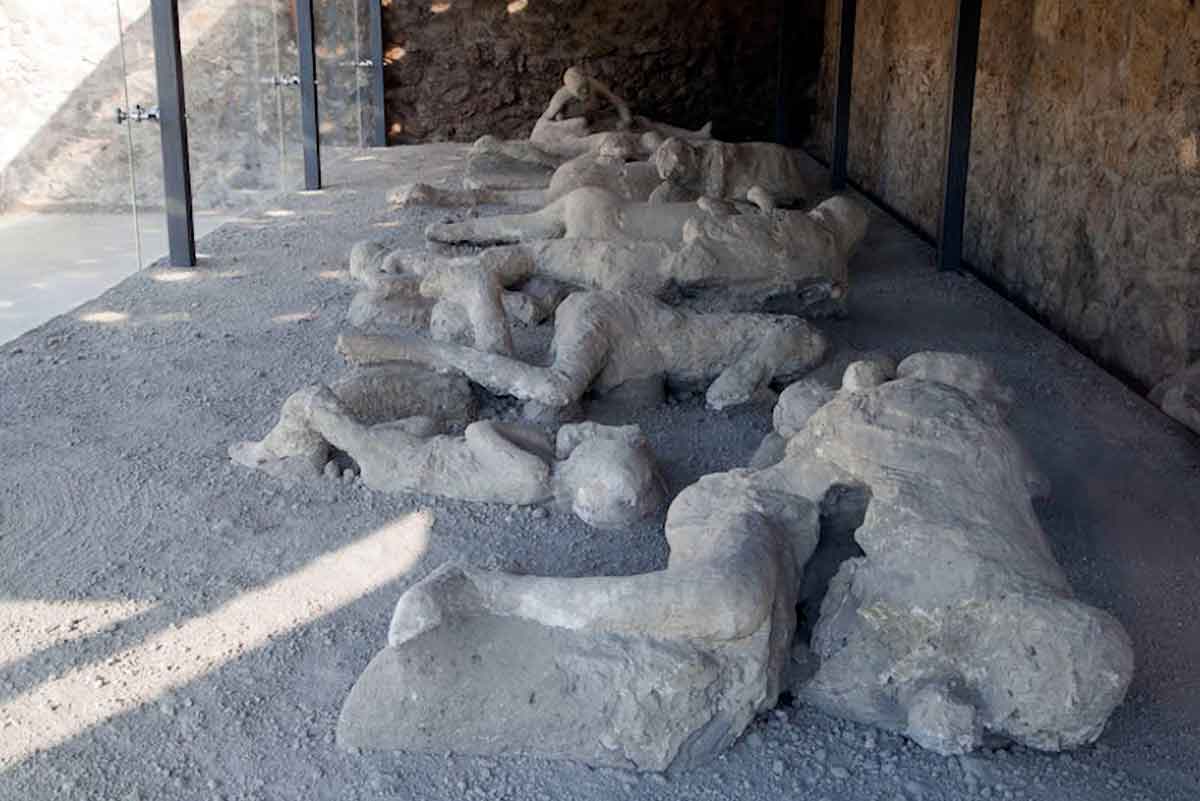
Garden of the Fugitives

Garden of the Fugitives

A vineyard area where plaster casts preserve the final positions of thirteen victims caught fleeing the 79 AD eruption of Mount Vesuvius. The casts were made using a technique pioneered by archaeologist Giuseppe Fiorelli in the 1860s.

Villa dei Misteri

Villa dei Misteri

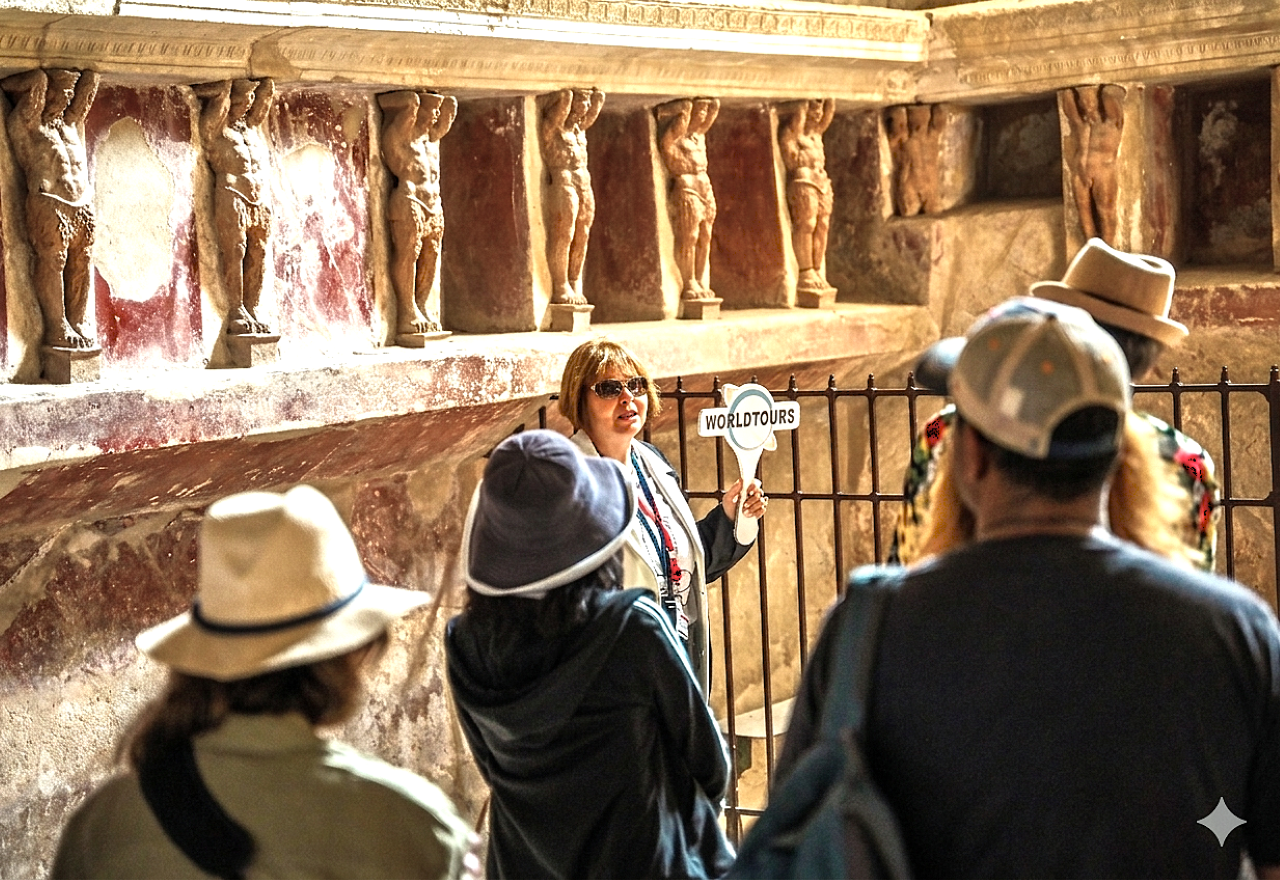
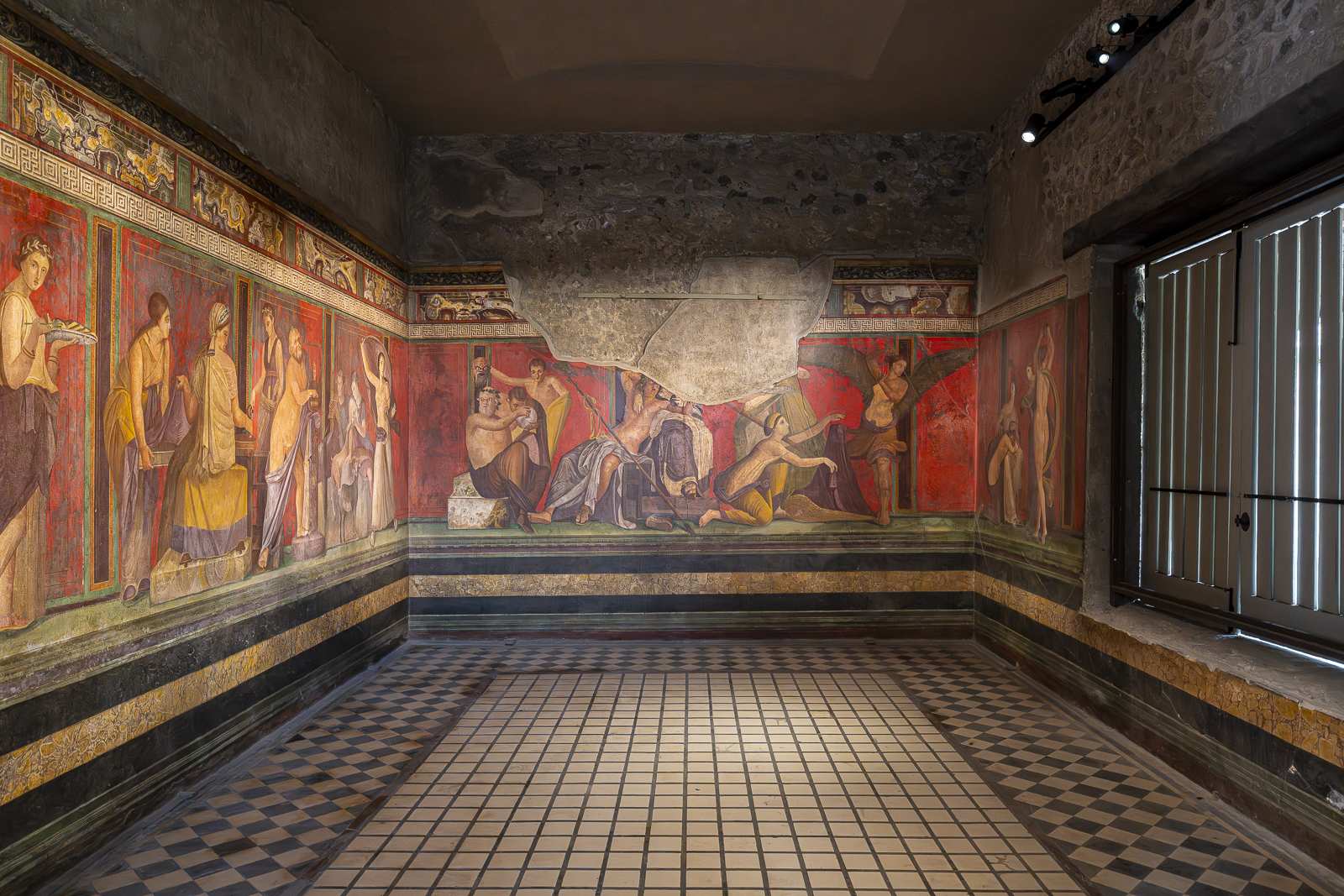
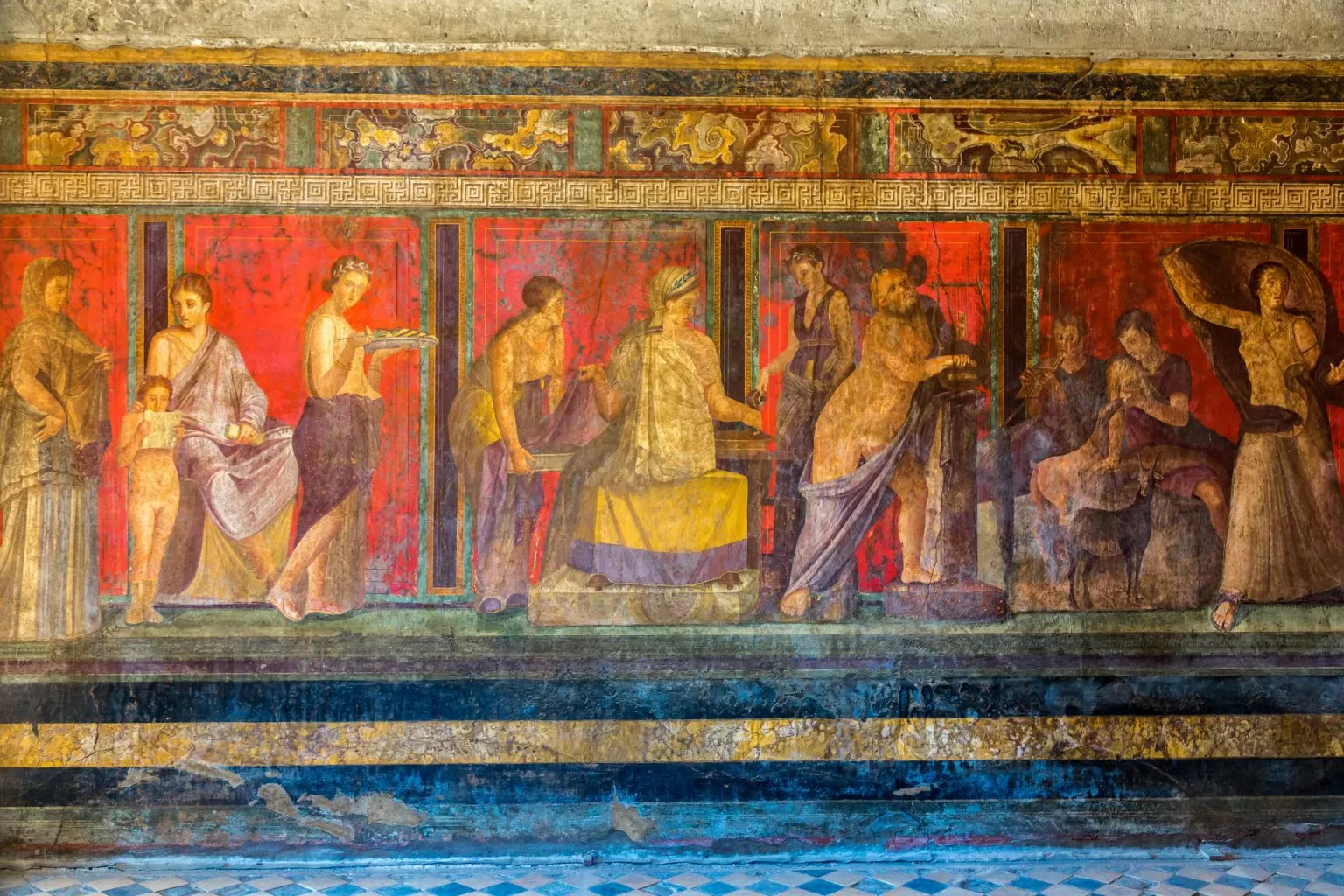
A suburban villa just outside the city walls famous for its Dionysiac frieze, a continuous fresco cycle depicting initiation rites believed linked to the cult of Bacchus. The villa takes its modern name directly from this mysterious fresco cycle.

Herculaneum Boat House and Skeletons

Herculaneum Boat House and Skeletons

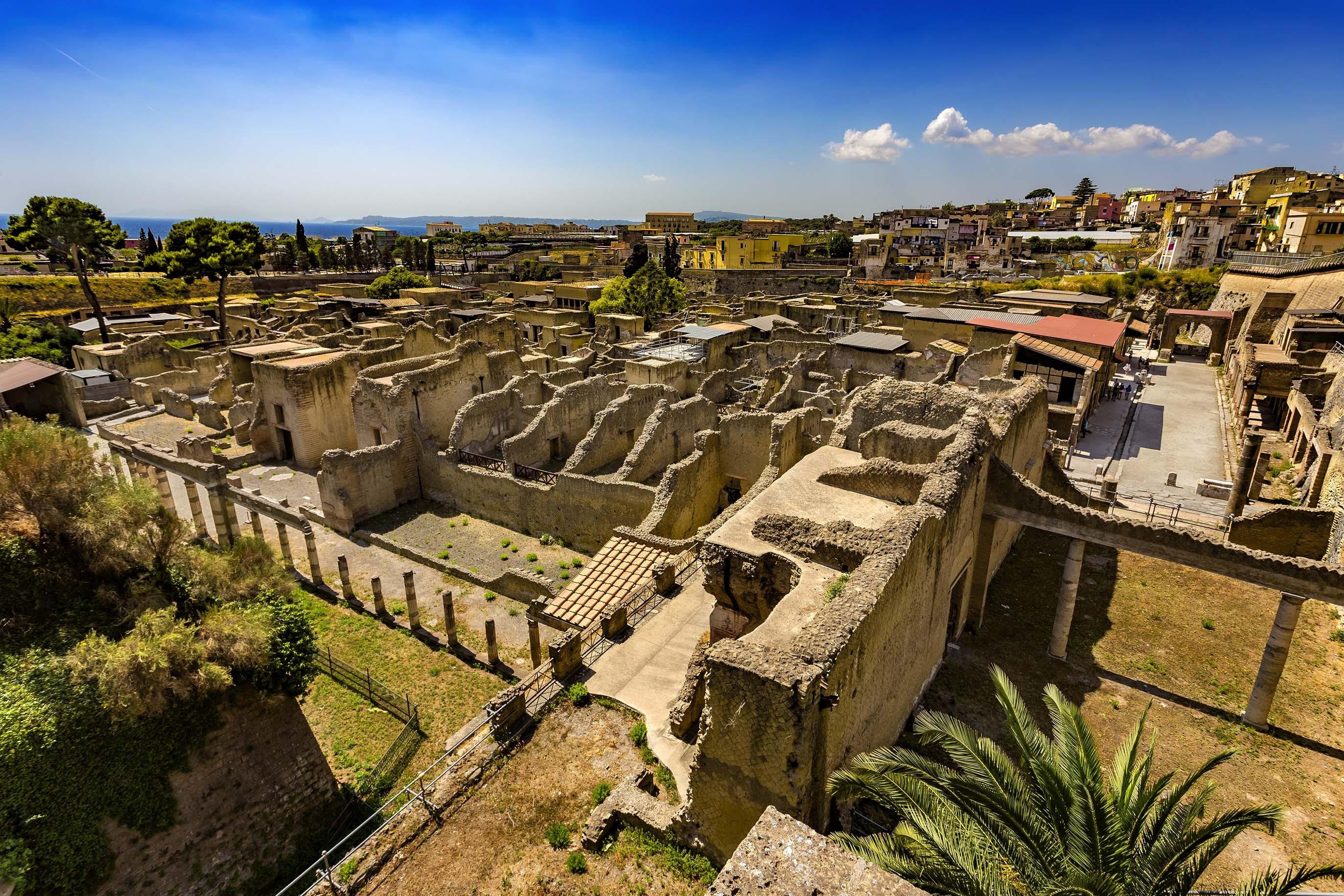
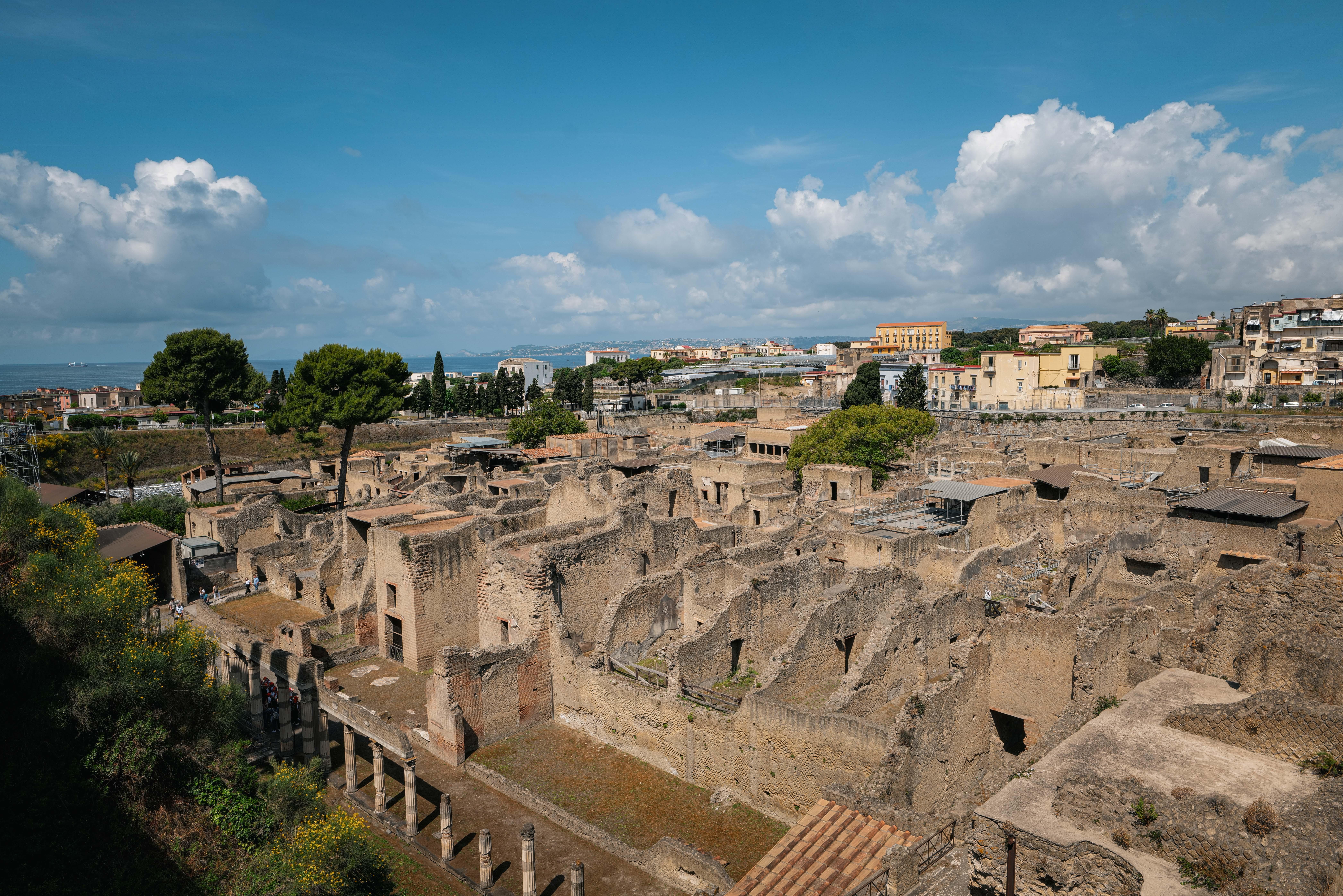
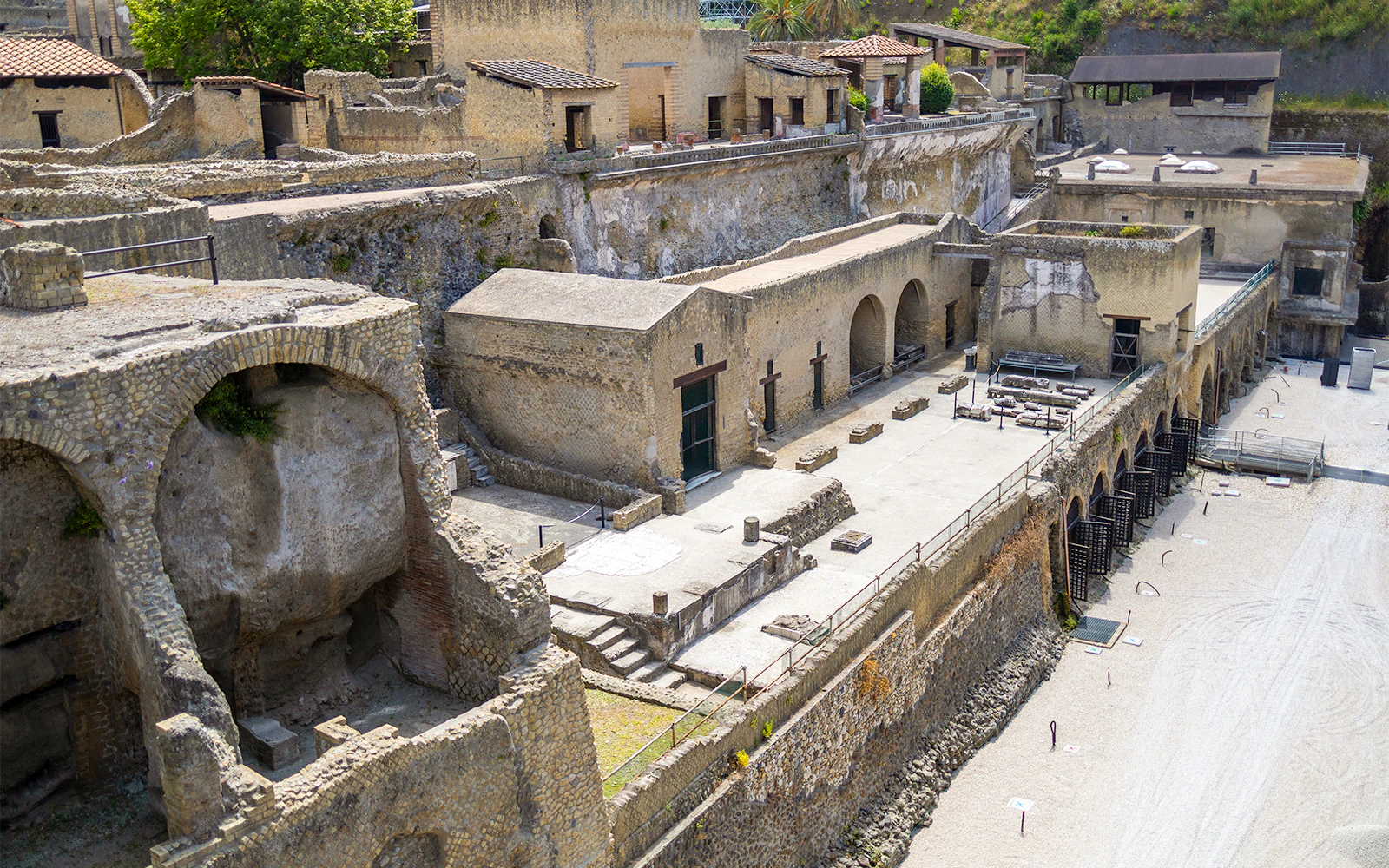
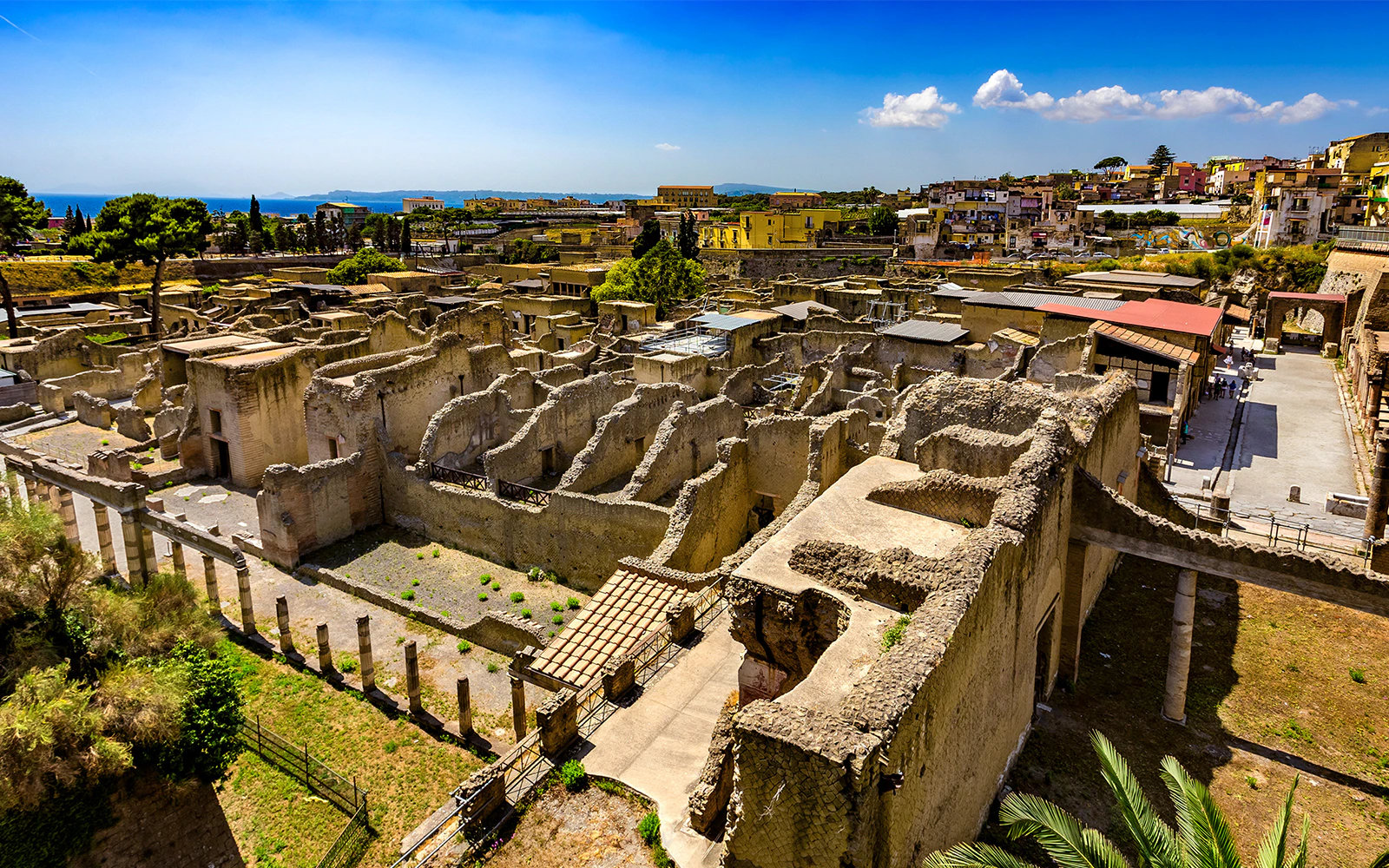
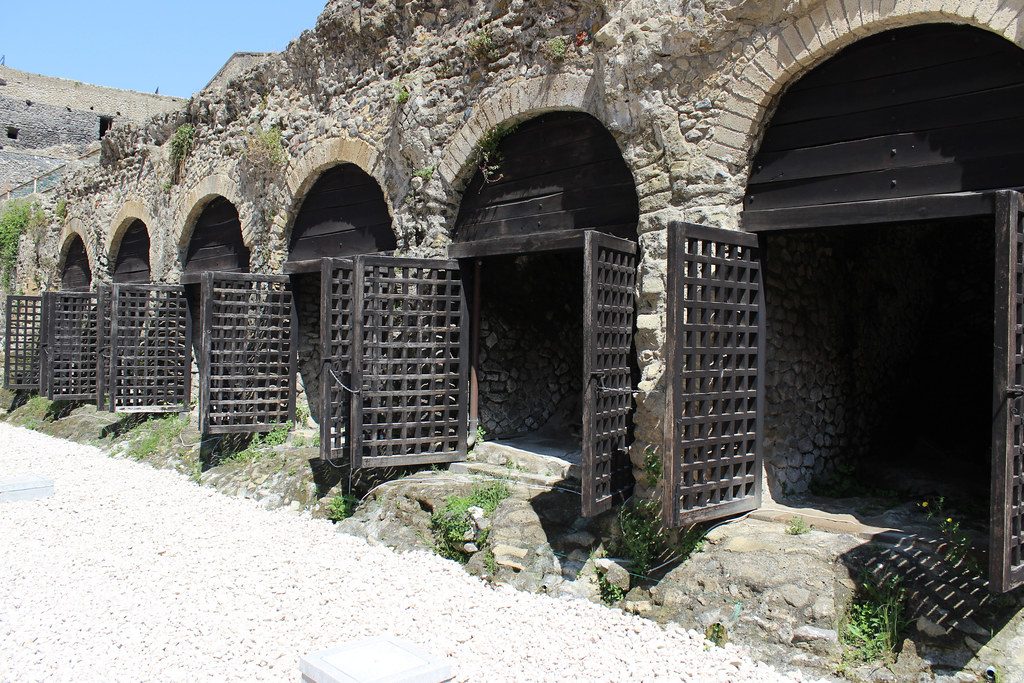
Unlike Pompeii, Herculaneum was buried by pyroclastic flow that carbonized organic material, preserving wooden boat remains and even skeletal remains in the ancient boat house near the shoreline. The site's smaller size, about a quarter of Pompeii's, means far more of its structures retain original upper floors and wooden beams.

The experience

What visiting Pompeii and Herculaneum Tour From Naples is really like

You depart central Naples by rail or coach, the journey south tracing the curve of the bay past Vesuvius's double summit. Arrival at Pompeii Archaeological Park places you at the Piazza Anfiteatro gate, where Via Villa dei Misteri leads into the excavated grid.

Read more Show less

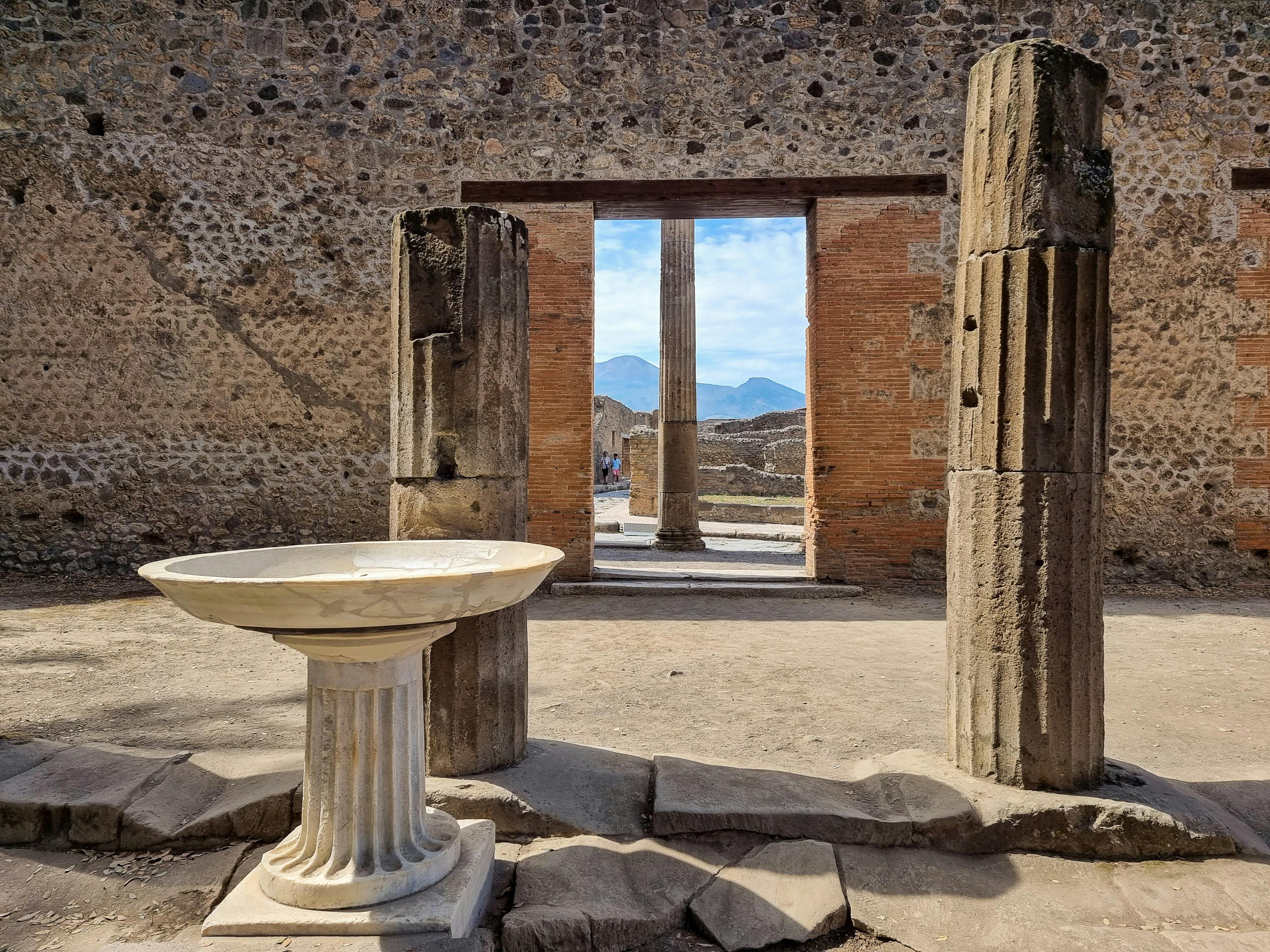
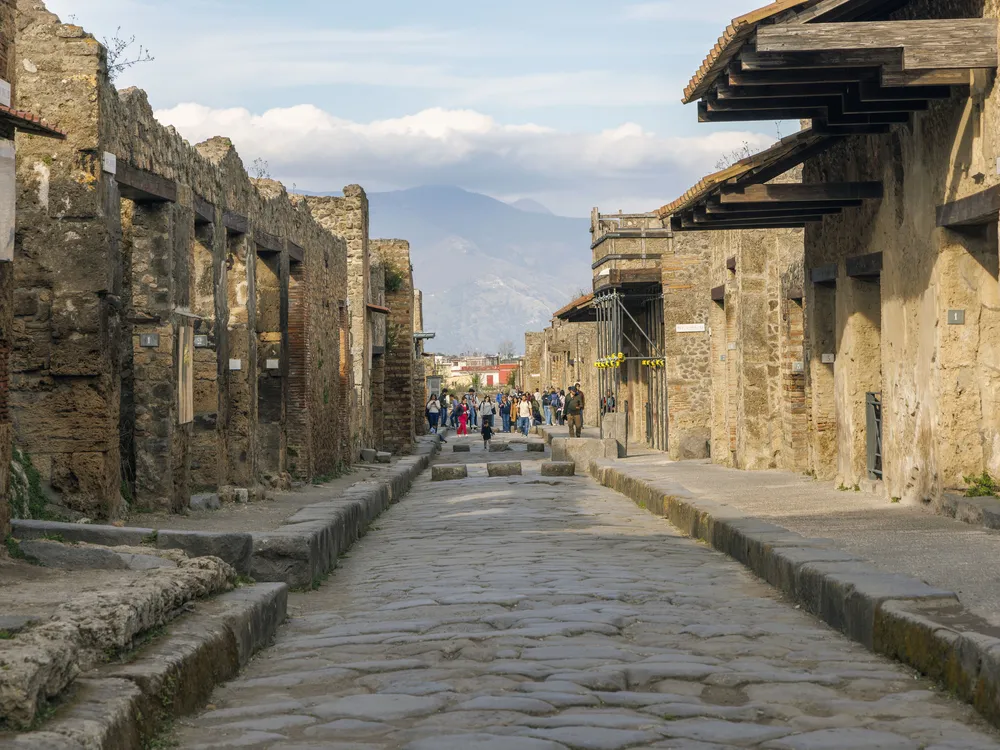
You pass beneath the Porta Marina, the ancient sea gate now landlocked by centuries of coastal sedimentation, and emerge onto the Forum's limestone pavement. Columns frame Vesuvius in the distance. You walk the Via dell'Abbondanza's rutted basalt blocks, stepping over ancient crosswalks raised to clear sewage channels, and pause at a thermopolium where terracotta amphorae still nestle in the marble counter.

The House of the Faun spans an entire insula; you count six atria, two peristyles, and the bronze dancing faun statue that gave the residence its name. In the Garden of the Fugitives, plaster casts capture 13 figures in their final moments, limbs raised against the surge. You exit through the amphitheatre district and transfer to Herculaneum, a 20-minute drive through modern Ercolano's dense housing. The site entrance descends into the excavated city, revealing timber balconies and intact second stories Pompeii lacks. In the College of the Augustales, black-and-white mosaics depict Hercules ascending Olympus. You descend wooden stairs into the Boat Pavilion, where forensic plaques explain the 300 skeletons recovered from the vaulted chambers. Late afternoon light angles across the Decumanus Maximus as you ascend back to street level.

Pompeii and Herculaneum Tour From Naples
Everything You Need to Know

Your complete Pompeii and Herculaneum Tour From Naples guide

All the details about your upcoming adventure in one place

Pompeii and Herculaneum Tour from Naples Overview

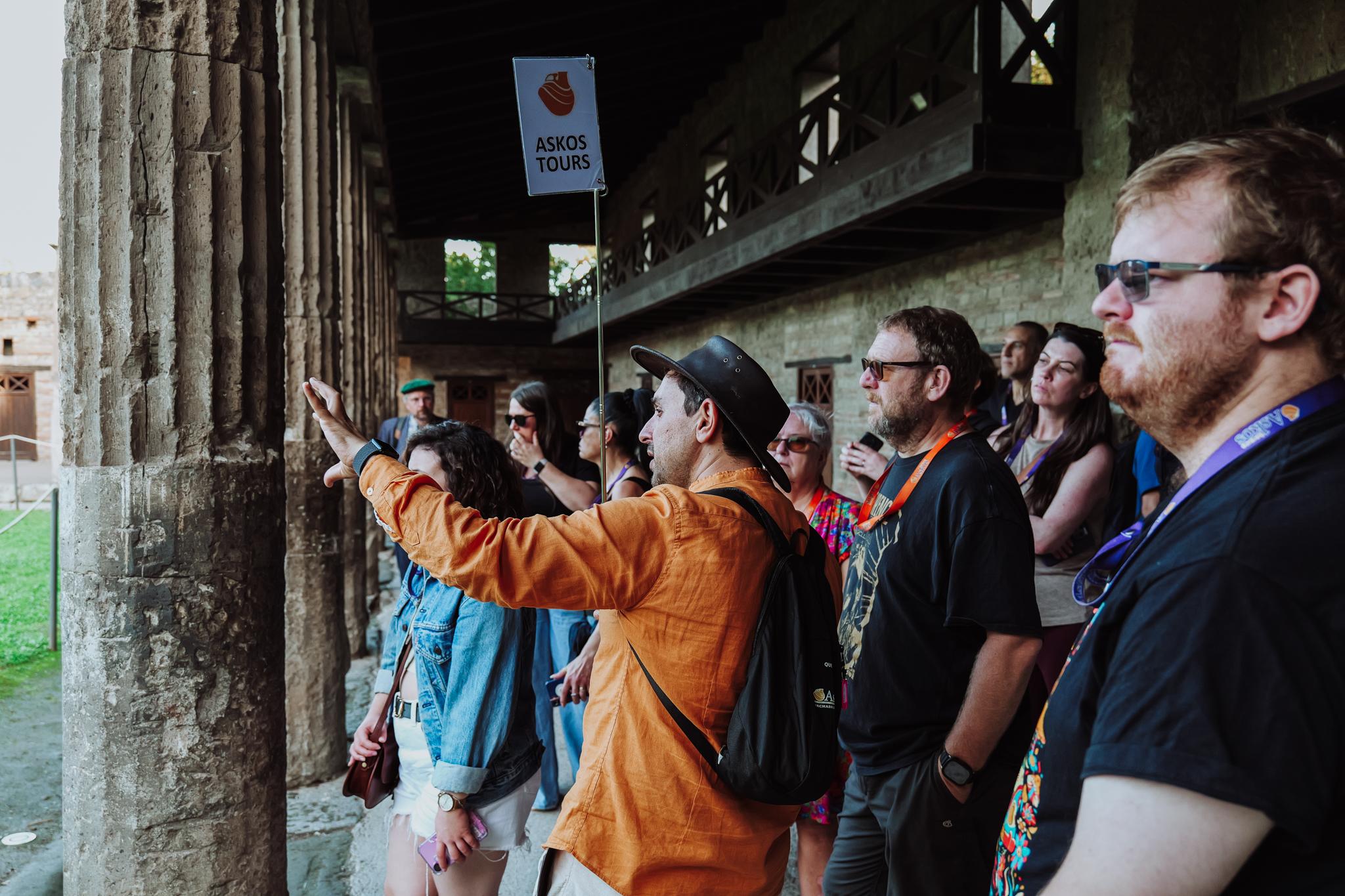
A pompeii and herculaneum tour from naples combines two remarkably preserved Roman sites buried by Mount Vesuvius in 79 AD. Most pompeii and herculaneum tour from naples tours depart morning from central Naples with expert archaeologist guides, visiting the sprawling forum and Villa of the Mysteries at Pompeii before exploring Herculaneum's intact wooden beams, frescoes, and carbonized household items. Round-trip transport and skip-the-line pompeii and herculaneum tour from naples tickets streamline access to both UNESCO sites.

On August 24, 79 CE, Mount Vesuvius erupted with such force that two prosperous Roman cities vanished beneath pyroclastic surges within hours, entombing 16,000 residents and preserving an unparalleled archive of imperial life.

Pompeii, a commercial hub of 11,000 souls, lay buried under four to six meters of pumice and ash. Herculaneum, smaller and wealthier, disappeared beneath a 20-meter superhot avalanche of volcanic material that carbonized wood, sealed scrolls, and turned the sea to steam. For 1,500 years both cities remained lost, their locations debated, until 1748 when Bourbon engineers struck the theatre of Herculaneum and systematic excavation began. Pompeii followed in systematic campaigns that continue today, with a third of the 66-hectare site still unexcavated.

The dual-site narrative matters because the two cities offer complementary windows into Roman urbanism. Pompeii reveals public infrastructure at metropolitan scale: the Forum's colonnaded expanse, the 20,000-seat amphitheatre where gladiators fought, the Grande Palestra with its swimming pool, and the suburban Villa of the Mysteries, whose frescoed initiation rites remain among the finest surviving examples of Second Style painting. Herculaneum, by contrast, preserved the textures of domestic intimacy. Wooden beds, intact roof tiles, carbonized loaves of bread, and even a library of 1,800 papyrus scrolls survived the lower oxygen environment. The House of Neptune and Amphitrite displays glass mosaics in near-original color. The Boat Pavilion shelters the overturned hull of an escape vessel and the skeletal remains of 300 people who sought refuge in the beachfront vaulted chambers.

A pompeii and herculaneum guided tour from naples covers roughly 30 kilometers round trip and typically allocates two to three hours per site, though independent exploration demands longer. Pompeii sprawls across a grid that can exhaust unprepared visitors; prioritize the Stabian Baths for their stucco vaults, the House of the Faun for its Alexander mosaic replica, and the Via dell'Abbondanza for its vivid election graffiti and thermopolia. Herculaneum's compact five-hectare layout allows a more complete survey, from the patrician House of the Deer to the modest Weaver's House. Both sites open daily at 09:00, with last entry 90 minutes before closing. Summer hours extend to 19:00, yielding a ten-hour window, though the best pompeii and herculaneum tour from naples arrivals cluster between 09:00 and 10:30 to avoid midday heat that bounces off exposed tufa and basalt paving.

The archaeological parks operate under a unified administration since 2016, when reforms separated them from the broader Campania superintendency. Conservation challenges persist: rising damp, root intrusion, and visitor pressure threaten frescoes and mosaics despite new drainage systems and protective shelters. The Grand Pompeii Project, launched with EU funding, stabilized 39 at-risk structures and reopened the House of Lovers and the House of Orion. Scholars now use ground-penetrating radar and photogrammetry to map unexcavated insulae without lifting a trowel, preserving future discoveries for techniques not yet invented. What remains visible above ground already constitutes the most complete record of Roman provincial life in existence, a frozen cross-section of imperial society at its commercial and artistic apex.


Two cities vanished within hours, entombing 16,000 residents and preserving an unparalleled archive of imperial life.

Dress code

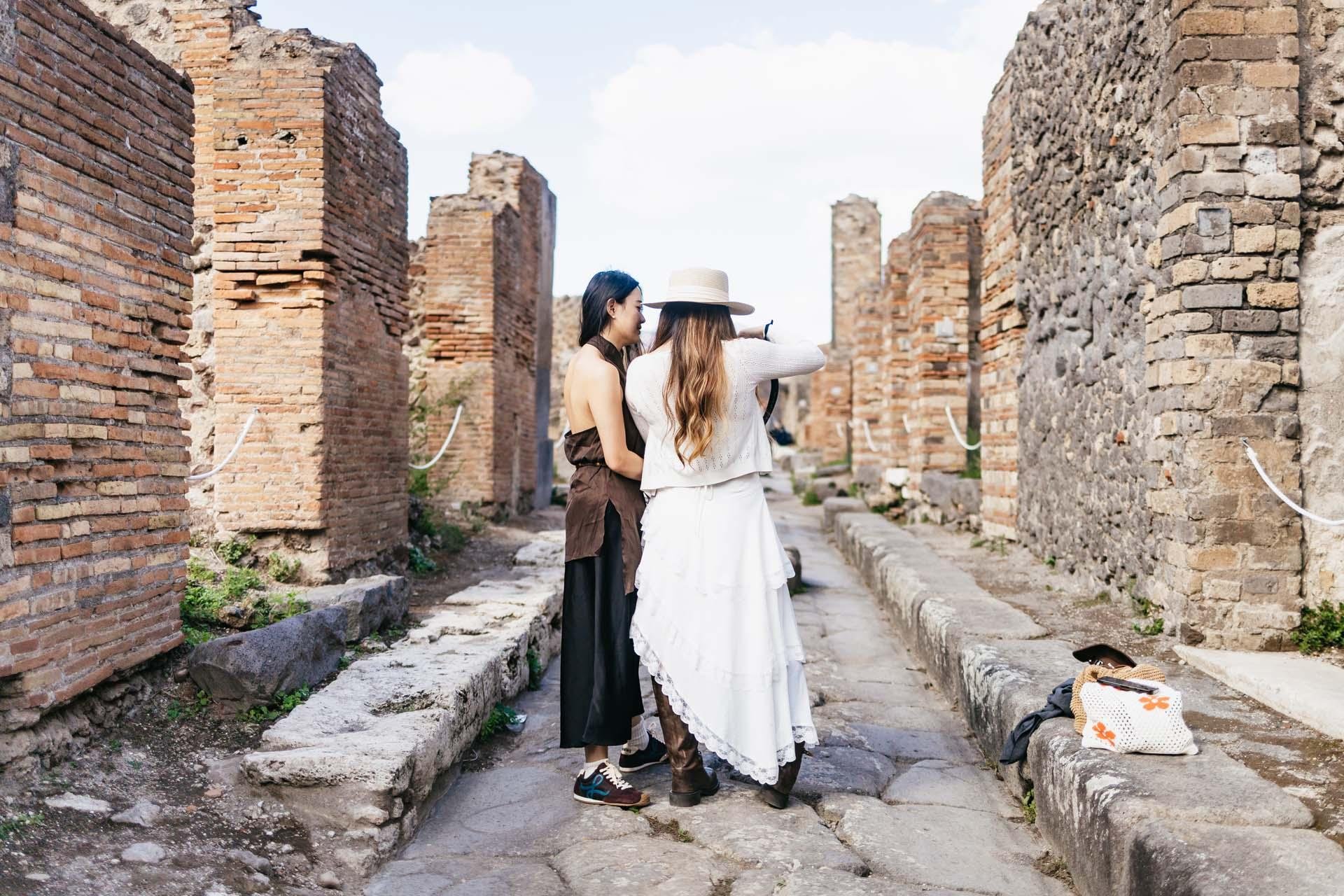
Wear closed-toe walking shoes since the ancient basalt paving stones at Pompeii are uneven and slippery when worn smooth. Lightweight, sun-covering clothing and a hat are recommended given how little shade the excavation site offers between the Forum and the Amphitheatre.

Bags & security

Bags larger than a small backpack are not permitted inside and must be checked at the free left-luggage point beside the Porta Marina entrance. Airport-style security screening with bag checks and metal detectors is standard at the main gates of the Pompeii Archaeological Park.

Photography

Personal photography and video are permitted throughout the site, including inside the Forum, the Amphitheatre, and most excavated villas, without a flash requirement. Tripods and professional filming rigs require prior written authorization from the park office, which most day visitors will not need.

Families & strollers

Strollers are permitted on the main accessible route but struggle on the original Roman paving in side alleys, so a baby carrier is often more practical. Children under 18 from the EU enter free with valid ID, though the general logistics of pacing a visit with kids are covered in the family guide section.

Accessibility

Pompeii Archaeological Park provides a dedicated accessible route covering the Forum, Via dell'Abbondanza, and the Amphitheatre on compacted gravel and ramps, though many side streets remain uneven ancient stone unsuitable for wheelchairs. Free wheelchairs can be reserved in advance at the ticket office, and accessible restrooms are located near Porta Marina and the Forum.

Food & drink

Bringing a sealed water bottle is allowed and encouraged, but eating is restricted to the designated picnic area near the on-site cafeteria rather than among the ruins. Glass containers and alcohol are not permitted inside the archaeological area.

Not allowed

× Large backpacks and suitcases × Tripods without permit × Selfie sticks in narrow houses × Drones × Glass bottles × Alcohol × Picnic sets × Pets other than service animals × Sharp objects × Umbrellas with metal tips near frescoes × Loudspeakers × Camping or beach chairs

What to bring

✓ Closed-toe walking shoes ✓ Sun hat ✓ Refillable water bottle ✓ Sunscreen ✓ Printed or mobile ticket confirmation ✓ Small day bag ✓ Portable phone charger ✓ Physical map from the ticket office

Opening hours

Mon 09:00 – 19:00
Tue 09:00 – 19:00
Wed 09:00 – 19:00

Quietest weekday

Thu 09:00 – 19:00
Fri 09:00 – 19:00

Busier with school groups

Sat 09:00 – 19:00

Heavier weekend footfall

Sun 09:00 – 19:00

First Sunday free entry for EU documents at some sites

How to get there

Closures & exceptions

  • ·Dec 25 — Christmas Day
  • ·Jan 1 — New Year's Day
  • ·May 1 — Labour Day

At a glance

Hours today

09:00–19:00, last entry 17:30

Address

Via Villa dei Misteri 2, 80045 Pompei, Naples, Italy

Access

Partial step-free routes on main avenues, uneven ancient paving elsewhere

Climate

Little shade across the ruins, sun exposure is significant midday

Bag policy

Large backpacks and suitcases must be left at the free cloakroom near Porta Marina

Getting there

Public transport · 35-40 min · Around 3-4 EUR one way

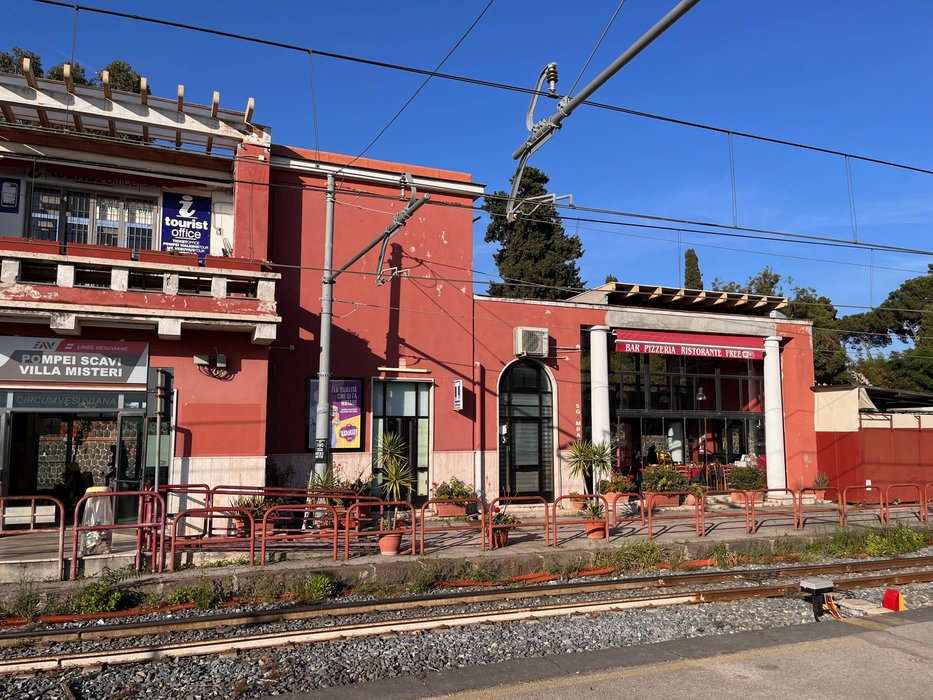
Take the Circumvesuviana train from Napoli Garibaldi to the Pompei Scavi-Villa dei Misteri stop, which sits a short walk from the Porta Marina entrance. Trains run frequently throughout the day on the Naples-Sorrento line.

Car · 30-40 min · Motorway toll plus parking fee

Drive via the A3 motorway from Naples, exiting at Pompei Ovest, then following signs to the archaeological park's paid parking areas. Expect roughly 30-40 minutes depending on Naples traffic.

Taxi · 30-35 min · Metered fare, typically 50-70 EUR

A taxi from central Naples runs directly to the Porta Marina or Piazza Anfiteatro gates via the A3 motorway, useful for groups or those with heavy luggage.

Cancellation policy

Most Pompeii and Herculaneum tour from Naples bookings allow free cancellation up to 24 hours before the scheduled departure, with a full refund issued automatically. The Pompeii single-site entrance fee of 18 EUR is non-refundable once a timed-entry ticket has been validated at the turnstile.

Plan your time

Planning Your Pompeii and Herculaneum Day Trip from Naples: Timing and Duration

Recommended time

Full day (Pompeii 3-4 hours, Herculaneum 2 hours)

Pompeii's sprawling grid of villas and streets takes 3-4 hours to cover at an unhurried pace, while compact Herculaneum, with its better-preserved wooden beams and mosaics, needs closer to 2 hours, so a pompeii and herculaneum tour from naples covering both in one day means an early start. Gates open at 9:00, and arriving in the 09:00-10:30 window lets you clear the entrance and cover Pompeii's main forum and villas before tour buses arrive. Add 30-45 minutes if you plan to detour to the Villa of the Mysteries or linger at the amphitheater, and subtract time only if you're skipping Herculaneum entirely. Queues at the ticket booths build fast after 10:30, so anyone booking skip-the-line Pompeii tickets in advance saves the most time; walk-up lines with no pre-booked entry can run 20-30 minutes by midday.

Crowd levels through the day

Gate opening Light
Mid-morning Building
Midday Peak
Early afternoon Heavy
Late afternoon Easing
Final hour before close Light
Plan ahead

Best time to visit Pompeii and Herculaneum Tour From Naples

Weather · crowds · average price — dots go green to amber to red as each metric rises.

Spring

March through May brings mild temperatures around 15-20°C and blooming vegetation across the ruins, though Easter week draws heavy crowds. Weekday mornings remain the most comfortable choice in this season.

Summer

June through August sees temperatures regularly above 30°C with almost no shade across the excavation site, making midday visits physically demanding. This is peak tourist season with the highest daily visitor numbers.

Autumn

September through November offers cooler air, generally 18-24°C in September easing toward 15°C by November, with noticeably thinner crowds after the summer rush. This is considered one of the more comfortable windows for walking the site at length.

Winter

December through February is the quietest season with temperatures around 8-12°C and occasional rain, meaning shorter queues but a chance of wet, slippery stone paving.

Insider tips

Helpful tips for visiting Pompeii and Herculaneum Tour From Naples

Book timed tickets ahead

Pompeii Archaeological Park sells dated, timed-entry tickets online through the official site, and summer slots can sell out days in advance.

Use the free cloakroom

Large bags are not allowed past security, so drop them at the free left-luggage service near Porta Marina before starting your walk.

Carry cash for small vendors

Some kiosks near Piazza Anfiteatro and Porta Marina do not accept cards, so small euro notes are useful for water or snacks.

Pick up the free map

Paper maps handed out at the ticket booths mark the main excavated buildings, since on-site signage can be sparse in the side streets.

Wear sturdy shoes

The original Roman paving stones are uneven and become slippery when wet, so athletic or hiking shoes work better than sandals.

Check the Vesuvius sightline

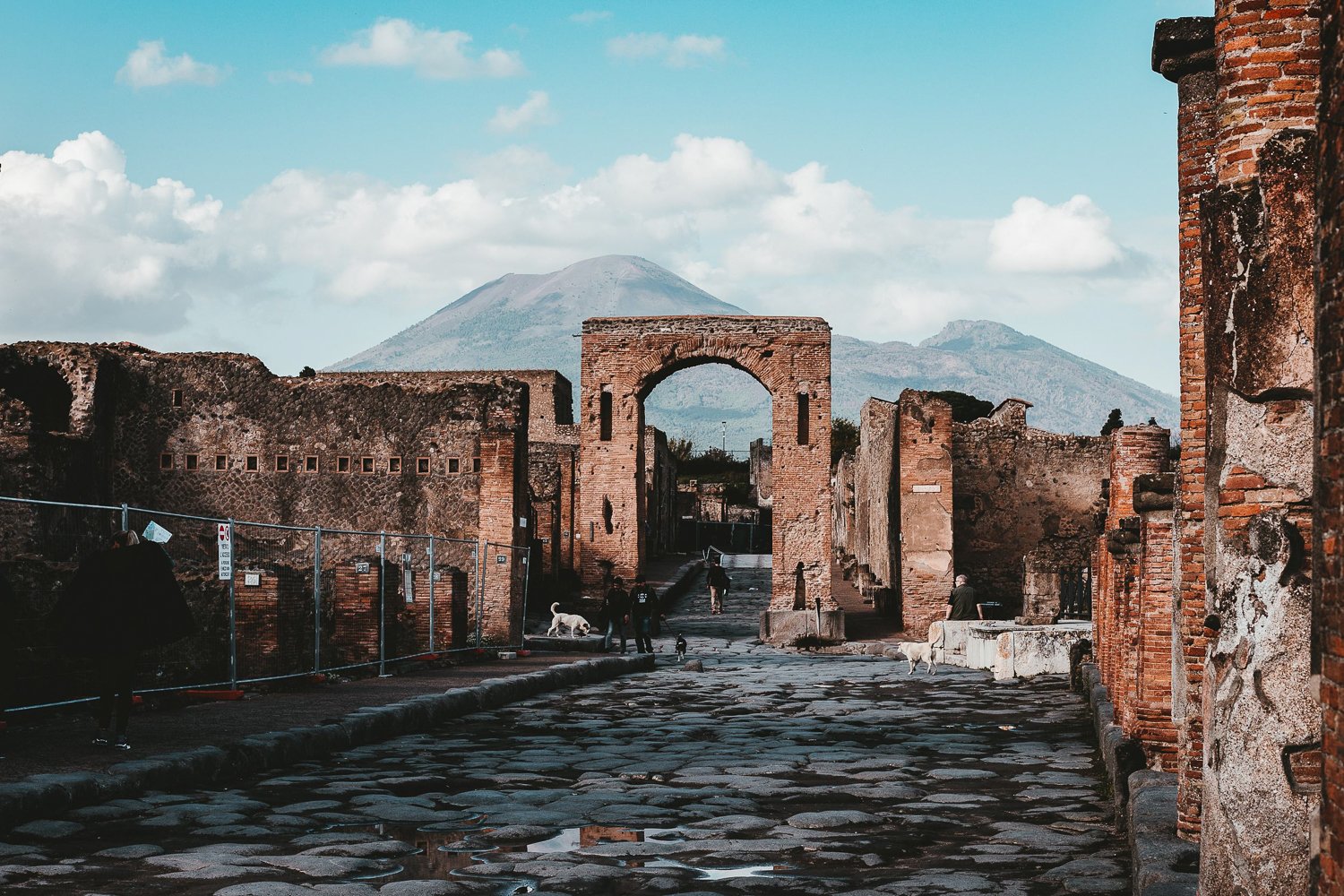
Clear days offer good views of Mount Vesuvius from the Forum and Via dell'Abbondanza, worth timing for photos.

Confirm which gate you're using

Porta Marina and the Piazza Anfiteatro gate are both valid entrances, and choosing the less crowded one can cut queue time.

Where to meet

Pompeii and Herculaneum Tour From Naples meeting points

Porta Marina Gate

Porta Marina Gate

Via Villa dei Misteri 2, 80045 Pompei, Naples, Italy

Main entrance closest to Pompei Scavi-Villa dei Misteri train station

Get directions
Piazza Anfiteatro Gate

Piazza Anfiteatro Gate

Piazza Anfiteatro, 80045 Pompei, Naples, Italy

Secondary entrance nearer the Amphitheatre, less crowded

Get directions
The story

The History Behind Your Pompeii and Herculaneum Guided Tour from Naples

On August 24, 79 AD, Mount Vesuvius erupted with a force that buried two prosperous Roman cities under layers of volcanic ash and pumice. Pompeii, a commercial hub of roughly 11,000 inhabitants, disappeared beneath four to six meters of tephra. Herculaneum, a smaller coastal resort favored by wealthy Romans, was engulfed by superheated pyroclastic flows that carbonized organic material and sealed buildings in hardened volcanic mud up to twenty meters deep. The eruption's victims were preserved in the positions where they died, their final moments frozen by the ash that would later allow archaeologists to create plaster casts of the voids left by decomposed bodies. Both cities remained lost for nearly seventeen centuries, their locations forgotten as vegetation reclaimed the landscape and new settlements rose above the ancient ruins. Rediscovery began by accident in 1709 when a well-digger struck marble fragments at Herculaneum, prompting Prince d'Elbeuf to sponsor tunneling operations that extracted statues and columns. Systematic excavation of Pompeii started in 1748 under Charles III of Bourbon, though early efforts resembled treasure hunts more than archaeological science. Workers stripped frescoes from walls and hauled artifacts to royal collections with little documentation. Giuseppe Fiorelli revolutionized the work in 1863 by introducing the plaster-cast technique and dividing Pompeii into the numbered regions still used today. His methods transformed the pompeii and herculaneum tour from naples into a window onto daily Roman life rather than a source of decorative objects for aristocratic galleries. Herculaneum's compacted volcanic material made excavation slower and more expensive, limiting work until the twentieth century. Modern archaeology continues to reshape understanding of both sites. The Villa of the Papyri at Herculaneum, excavated between 1750 and 1765, yielded the only intact library from antiquity, with carbonized scrolls now being read through advanced imaging technology. Recent excavations in Pompeii's Regio V have uncovered vivid frescoes and graffiti that document everything from election campaigns to gladiatorial schedules. Conservation remains an ongoing challenge as exposure to air, water, and millions of annual visitors accelerates decay. Pompeii and Herculaneum guided tours today walk paths where Romans shopped, worshiped, and died, their stories preserved by the same catastrophe that ended them.

79 AD

Vesuvius erupts on August 24, burying Pompeii and Herculaneum under volcanic material.

1709

Well-digger strikes marble at Herculaneum, prompting first excavation attempts.

1748

Systematic excavation of Pompeii begins under Charles III of Bourbon.

1863

Giuseppe Fiorelli introduces plaster-cast technique and divides Pompeii into numbered regions.

1927–1958

Amedeo Maiuri directs major excavations, uncovering Pompeii's amphitheater district and Herculaneum's seafront.

1980

Earthquake damages structures at both sites, leading to international conservation efforts.

2010s

Great Pompeii Project launches with EU funding to stabilize and restore endangered buildings.

2018–present

Regio V excavations reveal intact thermopolium, ceremonial chariot, and slave quarters with detailed frescoes.

Gallery

Moments from Pompeii and Herculaneum Tour From Naples

With kids

Family Logistics for a Pompeii and Herculaneum Small Group Excursion from Naples

A pompeii and herculaneum tour from naples works well with kids if you split the sites into two distinct energy blocks rather than treating them as one long march. Pompeii is the bigger, hotter leg, so families do best tackling it first thing while everyone is fresh, then treating Herculaneum as a shorter, shadier cool-down later in the day.

Sequencing

Visit Pompeii Archaeological Park first since it is larger and needs more walking, then move to Herculaneum in the afternoon when energy is lower but the compact site suits tired legs.

Shade and rest stops

Pompeii's open forum and main street have almost no shade, so plan rest stops under the colonnades near the Basilica or Temple of Apollo rather than pushing through midday sun with children.

Timing across the day

Entering at 09:00 gives kids a cooler, less crowded start before the site fills up, which matters more for families than for solo travelers since meltdowns tend to hit by early afternoon.

Energy management

Break the day into 90-minute chunks with a snack or water pause between, since Pompeii's scale can overwhelm younger children faster than smaller Naples landmarks tours.

Between-site transfer

Budget real downtime on the short ride or walk between sites, since this gap doubles as a natural nap or recharge window for younger children.

Pacing for mixed ages

If traveling with both toddlers and older kids, let older children explore ahead on marked paths while adults keep a slower pace with little ones, regrouping at shaded checkpoints.

Food & drink

Where to Eat on Your Pompeii and Herculaneum Tour from Naples Port

A short walk from the Forum entrance, a self-service cafeteria inside the park covers a quick bite, while most travelers save the real meal for Pompei town or Ercolano after their pompeii and herculaneum tour from naples wraps up. Via Roma in Pompei and the streets by Herculaneum's exit both line up trattorias that know the lunch rush from tour groups.

Autogrill Pompei Scavi Cafeteria

€

Cafeteria inside the park

Near the Forum entrance, good for a fast panino or coffee between the amphitheater and the exit. Gets crowded 12:00-13:30 with tour groups, so aim earlier or later. Seating is basic but shaded.

President Ristorante

€€€

Sit-down trattoria — 8 min walk

On Piazza Schettini in Pompei town, known for Neapolitan classics like scialatielli ai frutti di mare. Better suited to a relaxed post-visit lunch than a quick stop given the full-service pace.

Zi Caterina

€€

Trattoria — 10 min walk

Long-running family spot near Piazza Anfiteatro serving wood-fired pizza and pasta alla genovese. Popular with coach groups at midday, quieter by mid-afternoon.

Trattoria Da Zi' Elena

€€

Trattoria near Herculaneum exit

On Via IV Novembre in Ercolano, a few minutes from the site gate, good for a simple pasta or grilled fish before heading back toward Naples. Small dining room fills fast at lunch.

Customer Reviews

What travelers say about Pompeii and Herculaneum Tour From Naples

Real experiences from real travelers

4.4
Based on 2,400 reviews
1 ★ 1340
2 ★ 890
3 ★ 1650
4 ★ 4100
5 ★ 18200
M
Marcus T.
Germany · 2026-08-15

Two sites one day

Our guide managed both sites efficiently without feeling rushed. Herculaneum's wooden preservation was remarkable. The contrast between compact Herculaneum and sprawling Pompeii gave us perspective on Roman urban life.

S
Sofia R.
Spain · 2026-07-22

Skip-the-line access essential

The pompeii and herculaneum tour from naples started early which meant we avoided the worst crowds at Pompeii. Herculaneum in the afternoon was quieter. Transportation between sites was seamless.

J
James L.
United Kingdom · 2026-09-10

Excellent archaeological context

Guide provided historical context that connected both eruption victims' stories and daily Roman life. The preserved frescoes at both locations were vivid. Worth the full day commitment.

Y
Yuki M.
Japan · 2026-06-18

Comprehensive but tiring

Covered impressive ground at both ancient cities. The summer heat was intense by midday. Comfortable shoes are necessary for the uneven volcanic stone surfaces and extended walking.

I
Isabella C.
Italy · 2026-08-03

Local expertise matters

Our Neapolitan guide knew hidden details at each site that independent visitors would miss. The wooden furniture at Herculaneum and plaster casts at Pompeii were haunting. Transportation logistics were handled well.

R
Robert K.
United States · 2026-05-29

Both sites complement each other

Pompeii shows urban scale while Herculaneum reveals intimate domestic details. This pompeii and herculaneum tour from naples gave us the complete picture of Vesuvius's 79 AD eruption impact. The archaeological preservation quality differs notably between locations.

E
Emma B.
Australia · 2026-09-02

Worth the early start

Departure from Naples was 8 AM which gave us optimal light for photography at the Forum. Herculaneum's compact layout meant we could explore thoroughly. Guide timed our lunch break perfectly between sites.

L
Lucas P.
Brazil · 2026-07-11

Dual-site perspective

Seeing both excavations in one day highlighted different preservation methods. The pyroclastic flow created distinct archaeological conditions. Our guide explained volcanic geology alongside Roman social history.

C
Chen W.
China · 2026-06-25

Educational and moving

The scale of the disaster became real walking these streets. Pompeii and Herculaneum tour from Naples tickets included both entrances and transport. Audio guide supplements at each site added depth.

A
Anna S.
Sweden · 2026-08-20

Organized and informative

Pickup in Naples was punctual. Both archaeological parks were allocated appropriate time. The contrast between merchant Pompeii and wealthy Herculaneum resort town was fascinating to observe firsthand.

FAQ

Pompeii and Herculaneum Tour From Naples — frequently asked questions

Everything you need to know for your journey

Around the corner

More to see near Pompeii and Herculaneum Tour From Naples

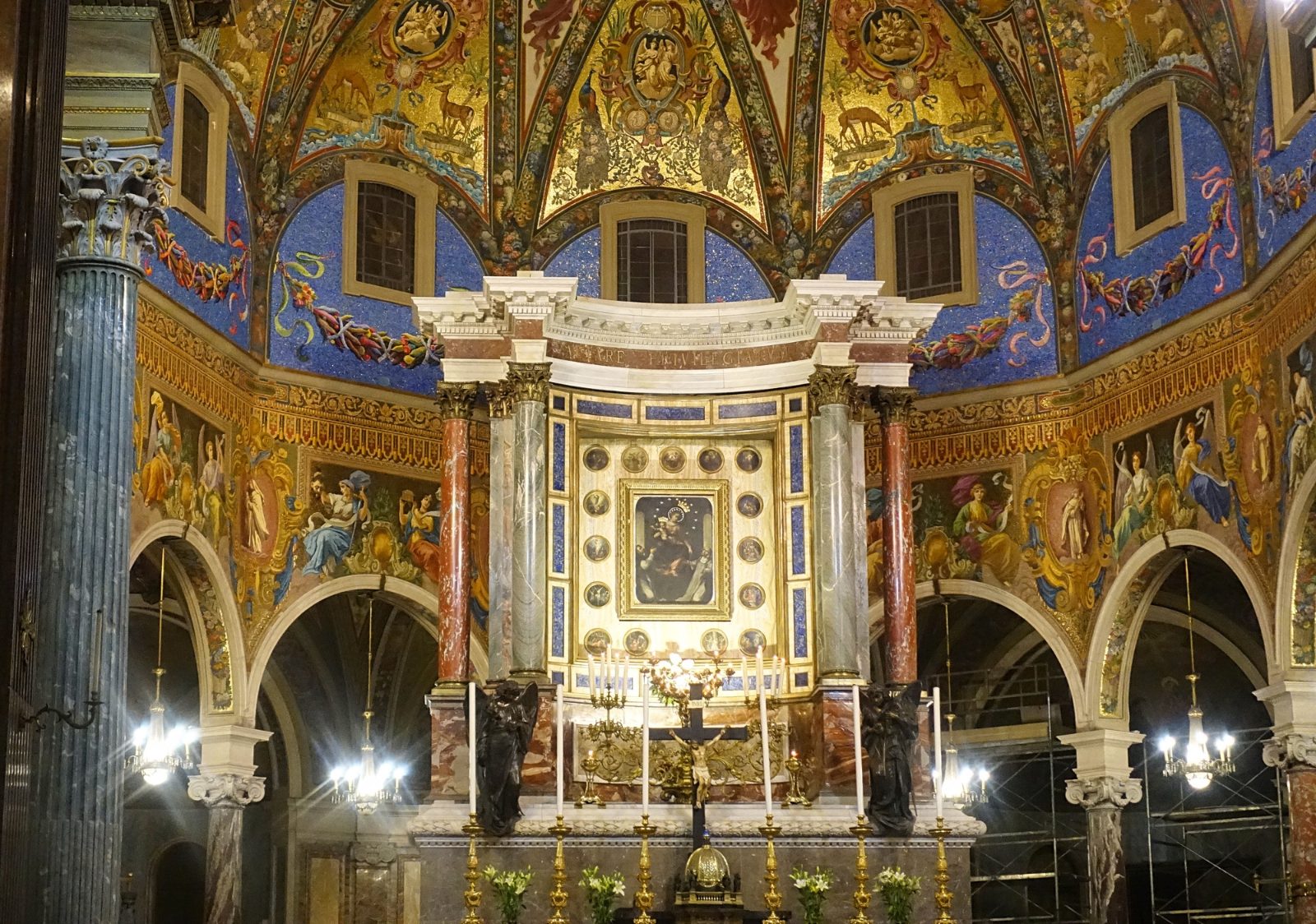
Sanctuary of the Virgin of the Rosary

Sanctuary of the Virgin of the Rosary

10 min walk

church

A major Marian pilgrimage basilica in modern Pompei town, distinct from the ancient ruins. Its bell tower is visible from parts of the excavation site.

Antiquarium of Pompeii

Antiquarium of Pompeii

5 min walk

museum

A museum near the Forum entrance displaying artifacts, frescoes, and body casts recovered from the excavation.

Villa dei Misteri

Villa dei Misteri

12 min walk

landmark

A suburban villa outside the main walls famous for its Dionysiac frieze fresco cycle.

Mount Vesuvius viewpoint

Mount Vesuvius viewpoint

Visible from site

viewpoint

Numerous points along Via dell'Abbondanza and the Forum offer direct sightlines to the volcano responsible for the 79 AD eruption.

Pompei Scavi train station area

Pompei Scavi train station area

2 min walk

square

The small piazza and shopping strip directly outside the Porta Marina gate.

Where to stay

Where to stay near Pompeii and Herculaneum Tour From Naples

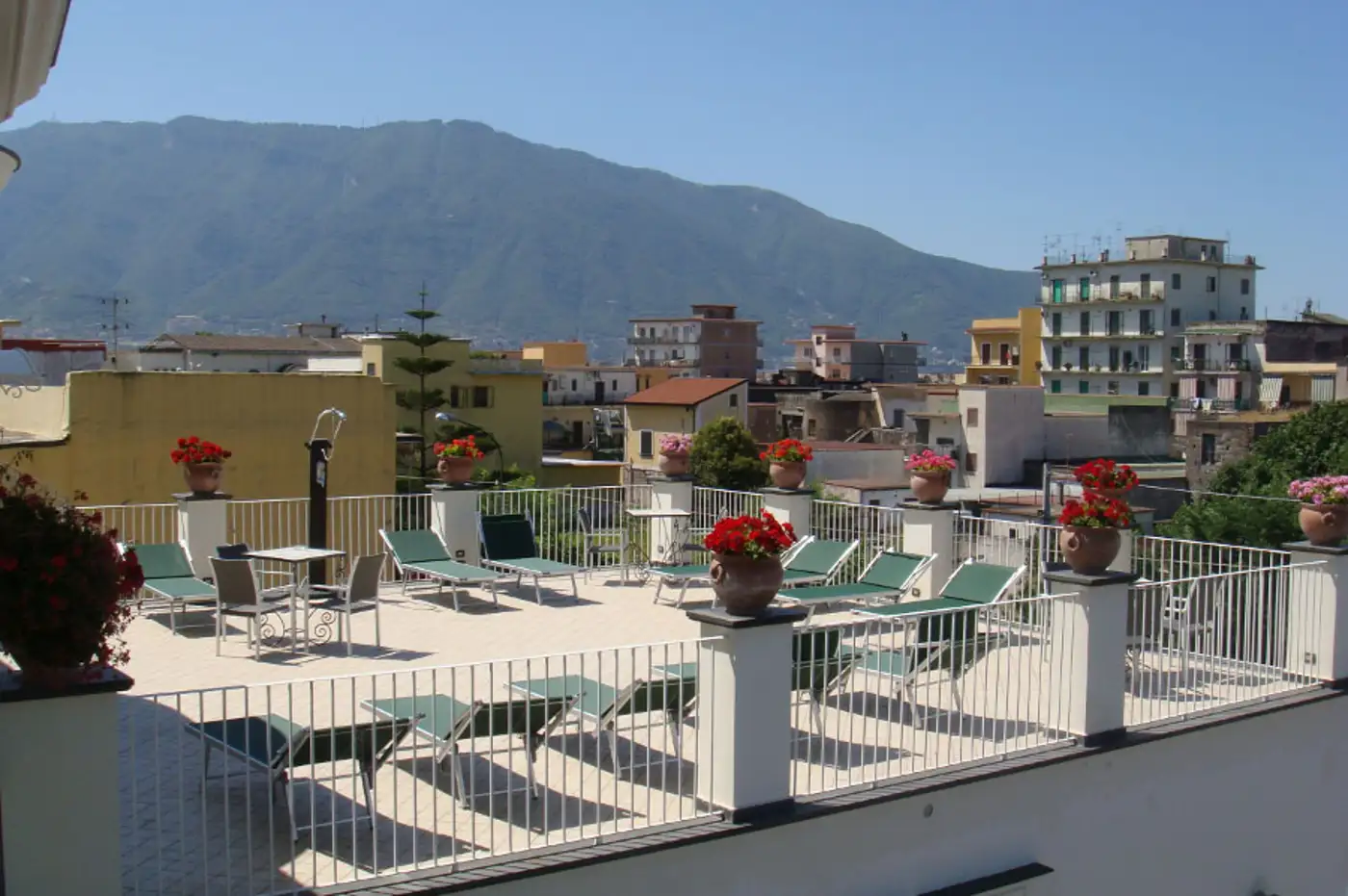
Melody Hotel

Melody Hotel

8 min walk

mid-range

A modern hotel a short walk from the Porta Marina entrance with rooftop views toward Vesuvius.

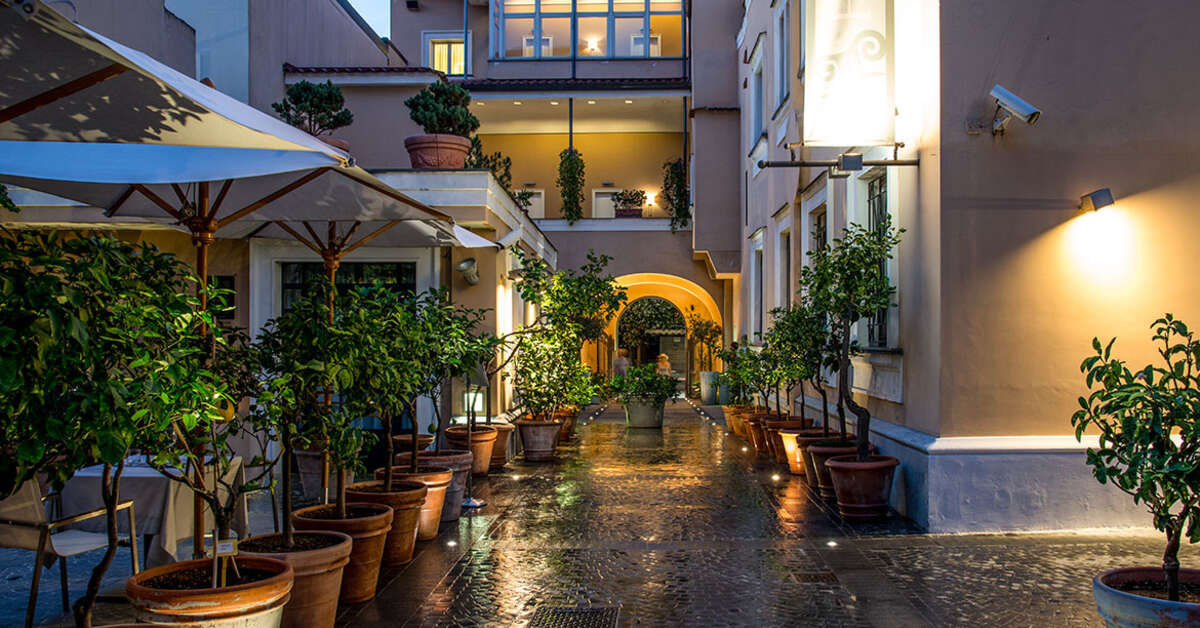
Forum Prestige Hotel

Forum Prestige Hotel

10 min walk

boutique

A small hotel near the ruins with themed rooms referencing Roman antiquity.

Pompei town center

Pompei town center

15 min walk

district

The area around Piazza Bartolo Longo offers a range of budget guesthouses and B&Bs near the sanctuary.

Amleto Hotel

Amleto Hotel

12 min walk

budget

A simple, family-run hotel option convenient for early-morning entry to the archaeological park.

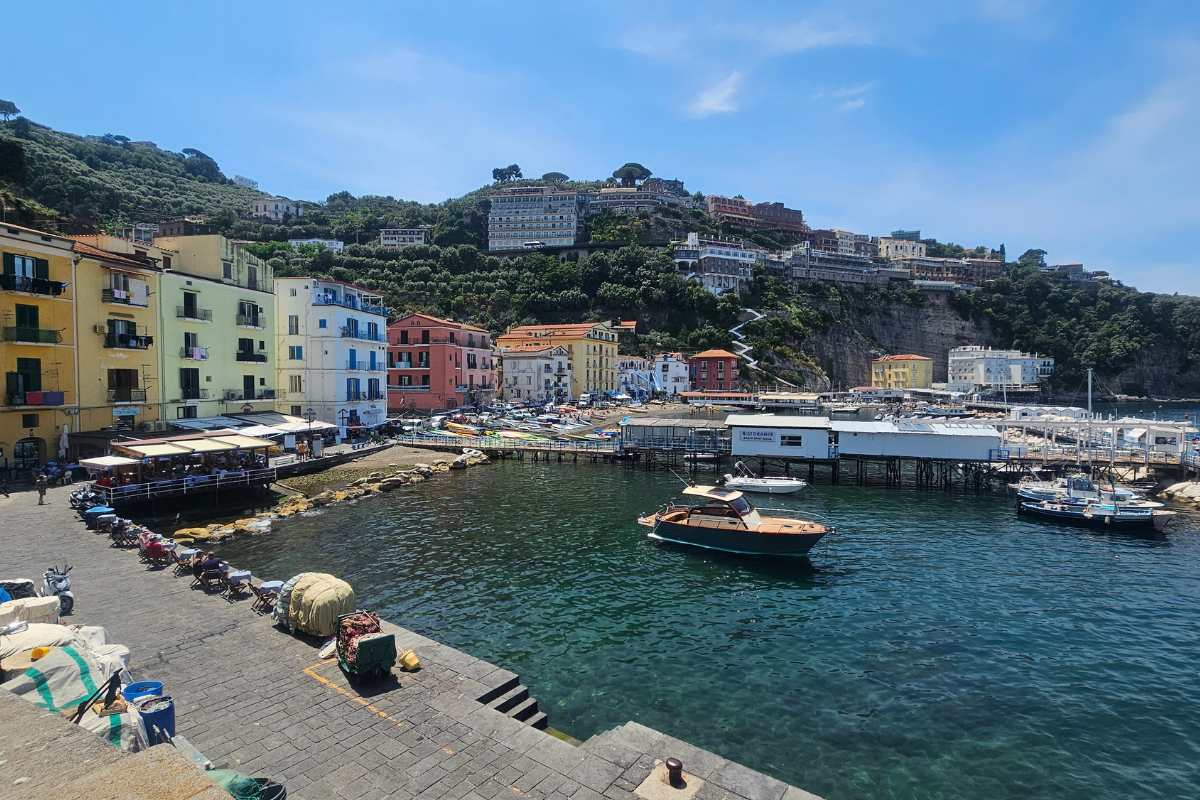
Sorrento district

Sorrento district

30 min by train

Coastal town commonly used as a base for a Pompeii and Herculaneum tour from Naples, with more dining and lodging variety than Pompei town itself.

Ready for Adventure?

Join thousands of happy travelers who have discovered this incredible experience

Book Your Experience Now